



KANAB, Utah — The expiration of Affordable Care Act benefits has those in some of the rural communities of Utah concerned that, with fewer healthcare options, residents might be forced to travel hours for basic medical care or go without coverage entirely.
In Kanab, a small southern Utah town of about 5,000 residents, the impact could be devastating for both patients and healthcare providers.
The community recently gained a new clinic, but experts warn that progress could be reversed if federal healthcare subsidies disappear.
Breigh Ulibarri, 25, grew up in Kanab and now works at the front desk of the new Kanab Urgent Care and Family Clinic. While she has health insurance through her husband's job with the sheriff's department, she sees many residents who don't.
"A lot of people my age can't come in for annuals because they can't afford basic healthcare," Ulibarri said.
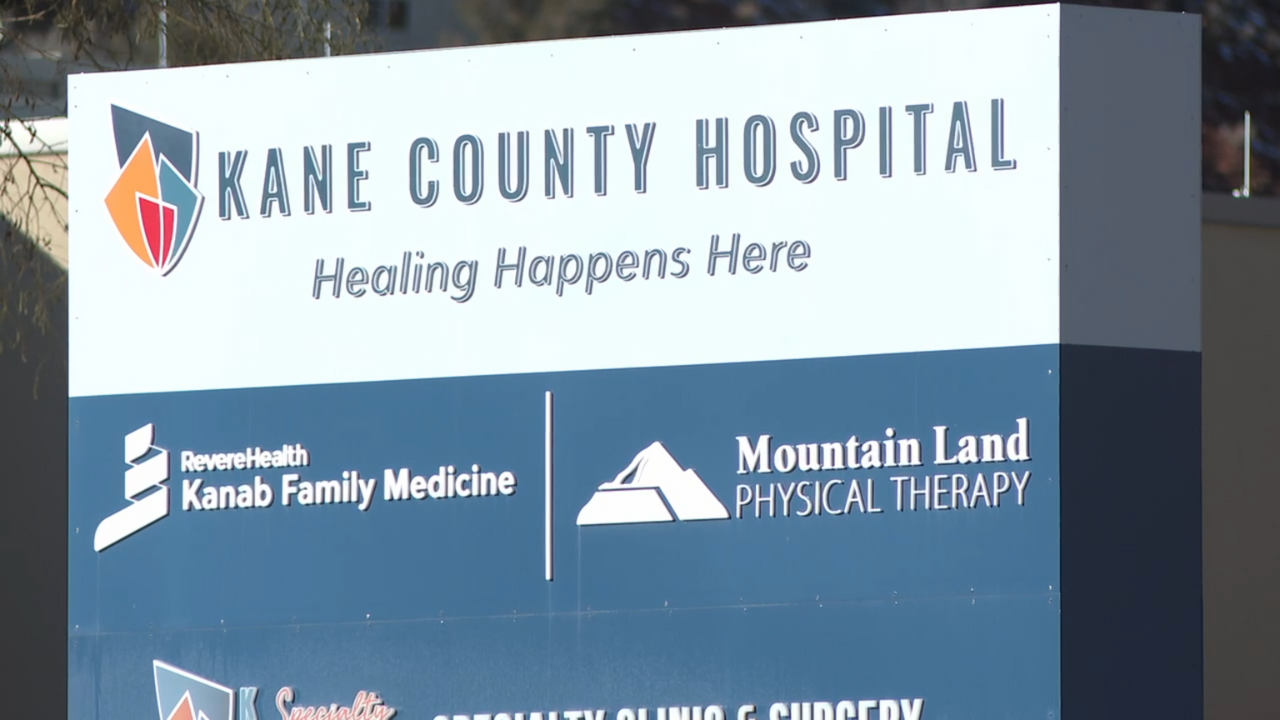
The clinic opened in September, providing much-needed relief to an area where Kane County Hospital was previously the only healthcare option. Without local care, residents face a two-hour drive to St. George or longer trips to Salt Lake City or Las Vegas.
"It's gorgeous, there's a lot of outdoor activities to do," Ulibarri said of her hometown.
The family-run clinic includes Ulibarri's mother in administration and her aunt Jill Blasdell as the main nurse practitioner.
"About six months ago, there was only one clinic here in this hospital and they were down providers and so people had to wait anywhere from a month to three months to be seen unless they went to the ER," Blasdell said. "And so, since we've opened in September, it's given them more opportunities they can be seen the same day which in a rural area is very unique, actually."
Many patients Blasdell treats receive health insurance through ACA provisions that expired recently. The U.S. House approved an extension Thursday, but it remains uncertain whether there are enough votes for Senate passage.
Gbenga Ajilore, chief economist at the Center on Budget and Policy Priorities, who studies rural healthcare, warns that rural areas will lose more than just patient coverage. Rural clinics and hospitals also face potential closure.
"Even if they decide to drop coverage, they're still going to need to be seen and have medical care. What ends up happening is that then the hospital eats those costs," Ajilore said. "Even if they don't close, they have to drop services.”
He adds that if the “Big Beautiful Bill” could be funded, so could an ACA benefits extension.
"I always think about the estate tax example where they extended the exemption to $30 million per couple. And this is something that's going to benefit maybe a couple hundred families,” he said. "You could do the same thing with the ACA tax credit, which is going to benefit 22 million people."
A financial burden falls on healthcare providers who refuse to turn patients away.
In the quiet deserts of southern Utah, the ACA's end may arrive without headlines — just the silent closing of clinics and the lengthening of ambulance routes for those who need care most.
"It puts a greater financial burden on us because ultimately we don't turn people away," Blasdell said.
For Ulibarri, the human cost is clear from her daily interactions with patients.
"I see it all the time and people can't afford insurance and it's really sad. It sucks for the people that can't and they're not able to get basic health care and be able to just take care of themselves and then in the end they're going to pay for it later," she said.
The clinic serves not just Kanab but the surrounding communities, including Valley, Glendale, Orderville and Fredonia. For emergencies, residents often must travel to St. George, with helicopter Lifeflight services sometimes being needed, which is prohibitively expensive for many families.