



SALT LAKE COUNTY — Utah, along with much of the American Southwest, continues to endure what experts call a "mega drought."
It has been ongoing for more than 25 years, and Salt Lake County elected officials will be asking their residents to do more to "Slow the Flow."
A handful of experts say there are several reasons why — including a below-average snowpack, earlier than normal spring runoff, and water restrictions that are already in place.
The Salt Lake County mayor and council members are going to get an update from those experts about what that means for all of us, and how residents can all pitch in to help reduce their own water usage.
The longtime director of Salt Lake City Public Utilities, Laura Briefer, said she first wanted to stress the positive.
“We have become more efficient. People have adopted a water conservation ethic, but there’s more that we can do," she said.
WATCH: Dry winter, early snowmelt raise concerns at Utah reservoirs
Jacob Young, the general manager and CEO of the Jordan Valley Water Conservancy District, said that’s thanks to a severe water shortage from local water sources. He said the time to act is now.
“That is what we’re asking all residents across the valley, pretty consistent between us and Salt Lake City, a 10% reduction in what was used last year," Young said.
Young and Laura Briefer are two of the experts who will address the Salt Lake County mayor and council members on Tuesday. They’ll explain why their goal is to reduce water consumption in Salt Lake County by between 10,000,000 and 25,000,000 gallons per day for the foreseeable future.
That will be on a voluntary basis, at least for now.
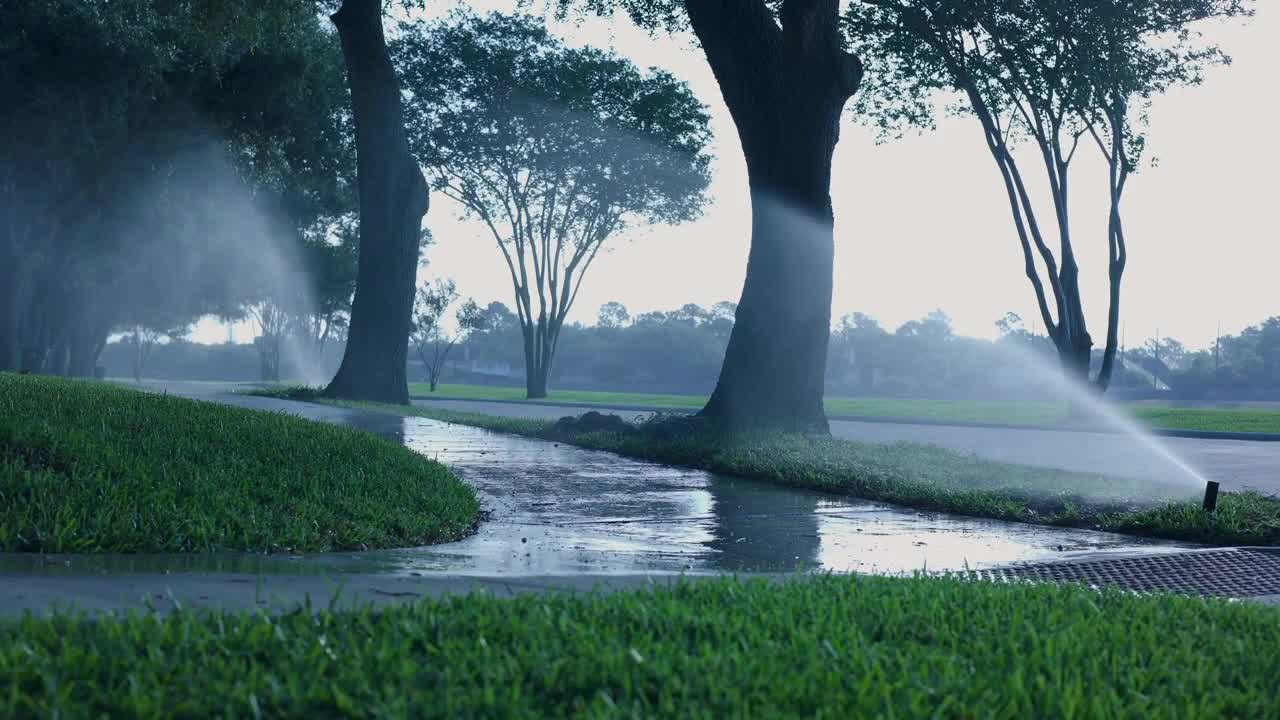
Experts say one of the biggest water wasters is a lush, green lawn. The Jordan Valley Water Conservancy District is redoing the area around many of its own pump stations, eliminating grass and replacing it with native plants and trees, which Young said use a lot less water.
“Just a beautiful, lush aesthetic, but all drought-tolerant plants that are appropriate for this climate that we live in," he said.
Briefer said they want to equip elected leaders with the facts and possible remedies, without being overly dramatic.
“We really want to emphasize the point that this is an odd year from a hydrologic perspective," she said. "But what I don’t want to have happen is that we use too much of our stored water because we don’t know if next year is going to be similar in terms of drought.”