


We're gearing up for Making Strides Against Breast Cancer of Utah on Saturday, October 24, at America First Field in Sandy,
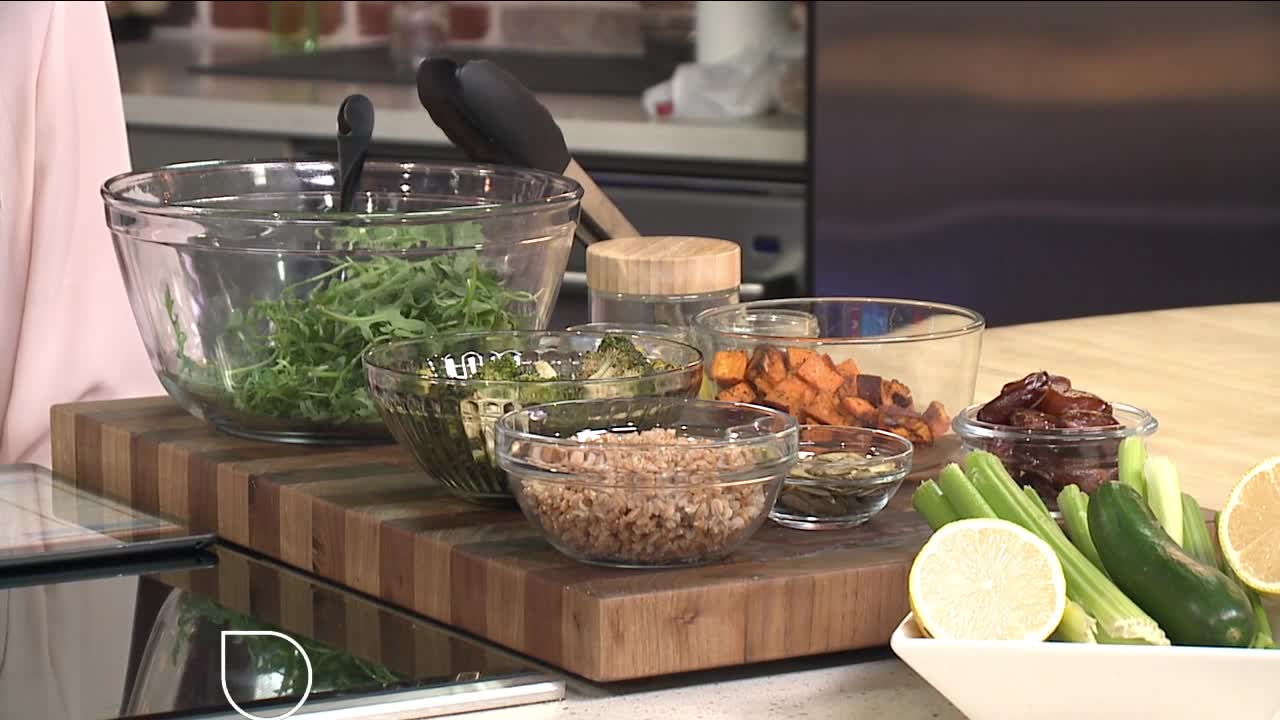
Ashley Hawk, RD, and Breast Cancer Survivor & ACS Spokesperson, Kelly Miller, talked about diet and nutrition recommendations on The PLACE Thursday and prepared a delicious recipe.
Cancer and Nutrition
Many cancers are linked to lifestyle factors, so healthy eating, staying active, maintaining a healthy weight, and limiting alcohol can help lower cancer risk. Cancer prevention often starts with simple, everyday choices. Eating well, being physically active, maintaining a healthy weight, and making small healthy changes over time can have a real impact on reducing cancer risk and improving overall health.
Diet & Cancer
- Eating more fruits, vegetables, whole grains, and fiber-rich foods can help reduce cancer risk.
- Limiting red and processed meats, sugary drinks, and highly processed foods is also important.
Physical Activity
- Regular physical activity helps lower the risk of several cancers, including breast and colorectal cancer.
- Adults should aim for at least 150 minutes of moderate activity each week.
- Moving more and sitting less matters. Even a short daily walk can make a difference.
Healthy Weight
- Maintaining a healthy weight throughout life is one of the most important steps people can take to reduce cancer risk.
Alcohol
- The American Cancer Society recommends avoiding alcohol when possible, as alcohol use is linked to an increased risk of several cancers.
Making Healthy Choices Easier
- Cancer prevention isn't just about individual choices. Workplaces, schools, and communities can help by making healthy foods and physical activity more accessible.
- Things like walking groups, healthy workplace options, safe parks and sidewalks, and access to affordable nutritious foods can support healthier lifestyles for everyone.
Roasted Broccoli & Sweet Potato Farro Salad with Lemon-Dijon Vinaigrette
Prep time: 15 minutes
Cook time: 25–30 minutes
Servings: 4
Ingredients
For the salad
- 1 cup dry farro
- 2 cups broccoli florets
- 1 large sweet potato, cut into ½-inch cubes
- 3 cups fresh arugula
- ¼ cup pumpkin seeds
- 1 tablespoon extra-virgin olive oil
- Salt and freshly ground black pepper, to taste
For the lemon-Dijon vinaigrette
- 3 tablespoons extra-virgin olive oil
- 2 tablespoons fresh lemon juice
- 1 teaspoon Dijon mustard
- Salt and freshly ground black pepper, to taste
- 1–2 teaspoons water, if needed
Instructions
1. Cook the farro. Prepare according to package directions. Drain any excess water and set aside.
2. Roast the vegetables. Preheat the oven to 425°F. Toss the broccoli and sweet potato with 1 tablespoon olive oil, salt and pepper. Spread on a baking sheet and roast for 20–25 minutes, turning halfway through, until tender and lightly golden.
3. Make the vinaigrette. Whisk together the olive oil, lemon juice and Dijon mustard. Season with salt and pepper. Add water a teaspoon at a time to thin, if desired.
4. Assemble the salad. Allow the farro and roasted vegetables to cool slightly. Combine the farro, broccoli, sweet potato and arugula in a large serving bowl.
5. Finish and serve. Drizzle with the vinaigrette, toss gently and sprinkle with pumpkin seeds. Serve warm or at room temperature.
The Nutrition Science Behind Each Ingredient
1. Farro — Fiber & Cholesterol
Farro is a whole grain that provides fiber, plant protein and minerals. Fiber supports digestive health and can help lower LDL ("bad") cholesterol. Whole grains are part of dietary patterns associated with lower risk of certain cancers, particularly colorectal cancer.
2. Broccoli — Protective Plant Compounds
Broccoli contains glucosinolates, which can be converted into biologically active compounds such as sulforaphane. Researchers study these compounds for their potential roles in cellular defense and other biological processes. Broccoli also provides vitamin C, vitamin K and fiber.
3. Sweet Potato — Beta-Carotene
Sweet potatoes get their orange color from beta-carotene, which the body can convert into vitamin A. Vitamin A supports normal immune function and vision. Sweet potatoes also provide fiber and potassium.
4. Arugula — Cruciferous Greens
Arugula belongs to the cruciferous vegetable family, alongside broccoli, kale and cauliflower. It provides vitamin K, folate, vitamin C and carotenoids, as well as glucosinolates. Eating a variety of vegetables helps diversify the nutrients and plant compounds in your diet.
5. Pumpkin Seeds — Unsaturated Fats & Minerals
Pumpkin seeds provide magnesium, zinc, plant protein and unsaturated fats. Replacing some saturated fats with unsaturated fats can help improve LDL cholesterol levels. They also add a satisfying crunch and nutritional variety to the salad.
6. Extra-Virgin Olive Oil — Heart Health
Olive oil is rich in monounsaturated fats and contains polyphenols. Using it in place of fats high in saturated fat can help improve cholesterol levels. Its polyphenols are also being studied for their potential effects on oxidative stress and inflammation.
7. Lemon & Dijon Mustard — Flavor & Simplicity
Lemon adds brightness and vitamin C, while Dijon mustard provides tangy flavor. Making your own vinaigrette allows you to control the amount of salt and avoid added sugar.
Be sure to join us at the walk on Saturday, October 24, 2026 at America First Field in Sandy.
You can sign up at makingstrideswalk.org/saltlakecityut.
