
Many women are choosing to start their families later in life than previous generations.
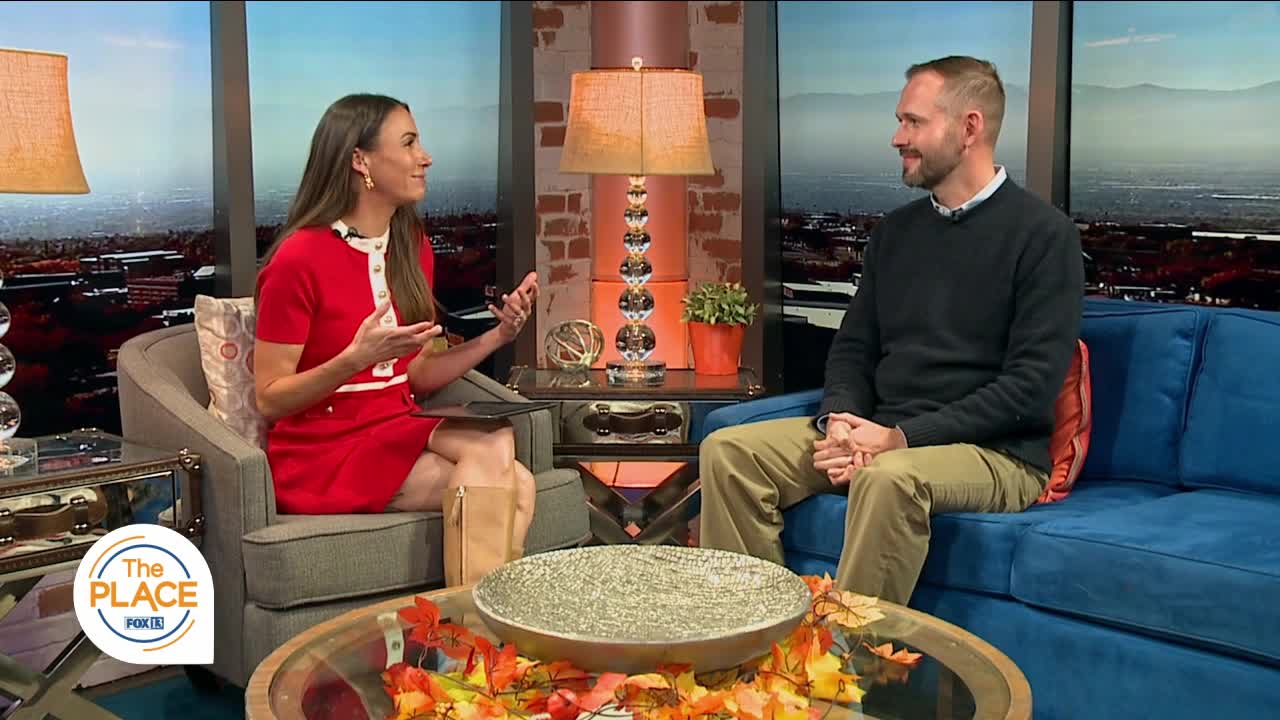
We talked with perinatologist with CommonSpirit Health, Dr. Brett Einerson, about what older women should know about pregnancy.
Perinatologists are obstetricians who've had two-to-three years of additional training focused on the complex medical and surgical management of both the pregnant mother and the unborn baby.
Dr. Einerson says, "Think of your OB-GYN as your primary partner who guides you through the beautiful journey of pregnancy. My role as a perinatologist is to act as a consultant or a 'specialist on the team' when things get a little more complex—whether that's due to a chronic health condition the mom has, or perhaps a complication discovered with the baby. We provide that extra layer of specialized ultrasound, genetic insight, and advanced monitoring so your OB-GYN has the best possible information to guide your care. We're essentially here to provide a 'safety net' so you can focus on the excitement of becoming a parent."
He says for women 35-40 who are worried they are "high risk" simply because of their age, they should know that age is just one data point, not a diagnosis.
"While we do have to be more vigilant about certain conditions, the majority of women in their late 30s and 40s go on to have healthy pregnancies and healthy babies. Being 'high risk' doesn't mean 'problematic'; it means we have the tools, the expertise, and the specialized monitoring to keep you and your baby safe. We treat the patient, not just the number on their chart, and we work to tailor a birth plan that honors their goals," says Dr. Einerson.
Modern medicine is often specialized, but pregnancy affects every organ in the body. Perinatologists work with other specialists like endocrinologists and cardiologists to ensure that a woman's underlying health isn't just treated, but optimized, before and during pregnancy.
Dr. Einerson also tells his patients to be watchful during the "fourth trimester", the postpartum complications, that can happen to a new mom.
"I always tell my patients to watch for the 'unexpected'—persistent headaches, vision changes, or high blood pressure after delivery, as well as signs of severe postpartum depression or anxiety. If you feel like something is 'off,' it probably is. Don't ignore your gut feeling or dismiss symptoms as 'just being a tired new mom.' You need to advocate for yourself, and we, as your medical team, need to be better at listening," he says.
The new mother needs to be as healthy as possible, because a healthy mom is the best foundation for a healthy baby.
You can learn more at mountain.commonspirit.org.