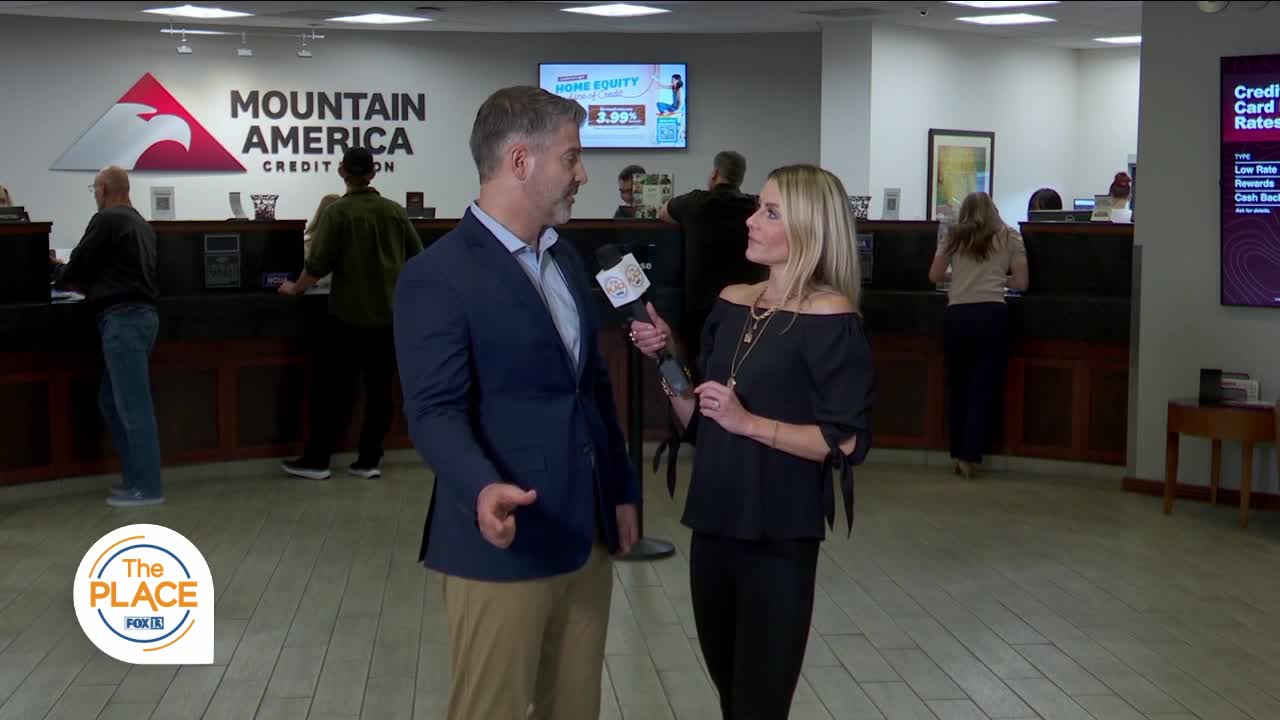

This is International Fraud Awareness Week, so we went to Mountain America Credit Union to learn how to protect against becoming a victim.
Jonathan Brouse, Director of Fraud Intake and Alerting Operations, say fraudsters rely on urgency to get people to act before they think.
They'll claim your bank account has been compromised, a suspicious transaction needs immediate attention or your money is at risk.
Jonathan says their goal is to pressure you into acting before you can verify the situation.
But remember: If someone is pressuring you to act immediately, stop. Just because a call looks like it's coming from your bank doesn't mean it is.
Fraudsters can manipulate caller ID to make a call appear to come from a legitimate financial institution. They may even know personal details about you, making the conversation seem credible.
Don't rely on caller ID as proof. Hang up and call your financial institution directly using the number on the back of your card or its official website.
Jonathan says you have permission to hang up, even if the caller sounds legit.
People sometimes hesitate to end a conversation because the caller sounds professional, friendly or authoritative. Scammers take advantage of that hesitation, especially when impersonating fraud departments or other trusted organizations.
Ending a suspicious call is one of the simplest ways to protect yourself.
The same rule applies to suspicious texts, emails and online messages.
Make "Stop. Hang Up. Call Back." a habit and share it with your family.
Fraud can affect anyone, regardless of age or experience. Taking a moment to verify an unexpected request can prevent a costly mistake, and talking about these tactics helps others recognize them.
You can learn more at macu.com/fraud.