
Most of us reach for the hydrogen peroxide or rubbing alcohol when we get a skinned knee or a cut. But, that may actually may be doing more harm than good.
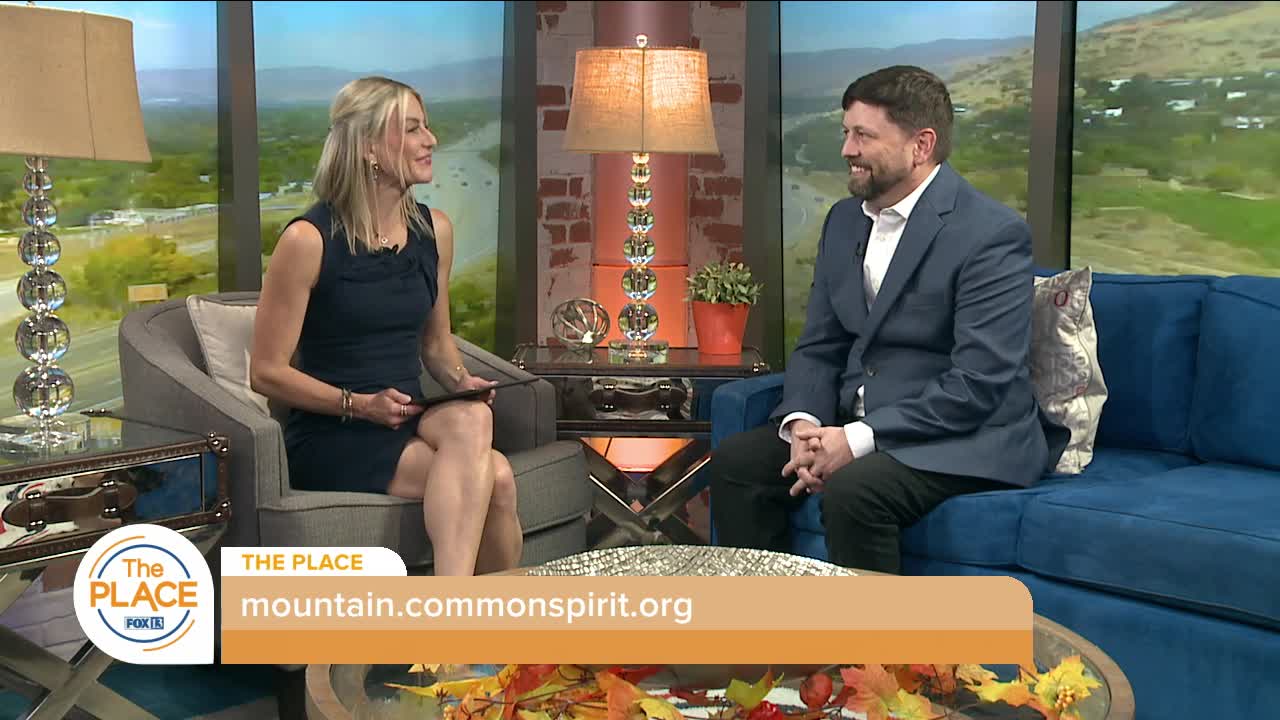
We talked with Dr. Andrew Moffat, a specialist in Advanced Wound Care at CommonSpirit Health.
He says hydrogen peroxide and rubbing alcohol are cytotoxic, meaning they kill the healthy cells that are trying to rebuild your skin.
That means they delay the healing and increase scarring.
For most minor wounds, Dr. Moffat says clean with running water or saline.
His practice is dedicated to chronic, non-healing wounds. He explains, "These are wounds that have 'forgotten' how to heal—usually due to underlying health issues like diabetes, poor circulation, or autoimmune conditions. I treat patients with diabetic ulcers, pressure injuries, and surgical wounds that have refused to close for weeks or months. I'm essentially a 'healer of the hard-to-heal.' I look at the body as a whole to figure out why the natural repair process has stalled, and then I use advanced medical therapies to restart that biological clock."
But because these wounds are so complex, patients often wait too long to seek help.
Dr. Moffat uses the "Two-Week Rule". He tells patients if a wound has not shown clear, measurable signs of healing, such as closing or reducing in size, within two weeks of consistent care, it is time to stop home treatment and seek an evaluation from a wound care specialist.
He also told us about a specific "diet for healing" that can help a stubborn wound finally close up.
"Think of your skin as your body's largest organ. It requires specific 'building blocks' to repair itself. Protein is the number one nutrient for wound closure; if you aren't eating enough, your body literally doesn't have the materials to build new tissue. We also focus on Vitamin C and Zinc. If you're struggling with a wound, you can't heal it from the outside if you aren't fueling the process from the inside. I often work closely with my patients on their nutrition to ensure their body has the 'fuel' to finish the job," he says.
Dr. Moffat says this is an incredible time for his specialty. There are now tools that would have seemed like science fiction a decade ago.
They're using hyperbaric oxygen therapy to supercharge the body's ability to heal in oxygen-starved tissue and smart dressings that can pull bacteria out of the wound while keeping the moisture balance perfect.
He says, " We're moving from 'passive' management to 'active' medical intervention. If you've been told a wound is 'untreatable' or 'just something you have to live with,' my message is simple: don't settle. The technology exists today to change that trajectory."
To learn more about the clinic or to make an appointment, patients can visit: mountain.commonspirit.org.