
One in eight women in the U.S. will be diagnosed with breast cancer. However, deaths from breast cancer have decreased by 40% since 1990 nationwide thanks, in large part, to the rising use of mammography. It’s a preventative measure that works, if women use it! Since October is Breast Cancer Awareness Month, MountainStar Healthcare is reminding women to get screened because it saves lives!
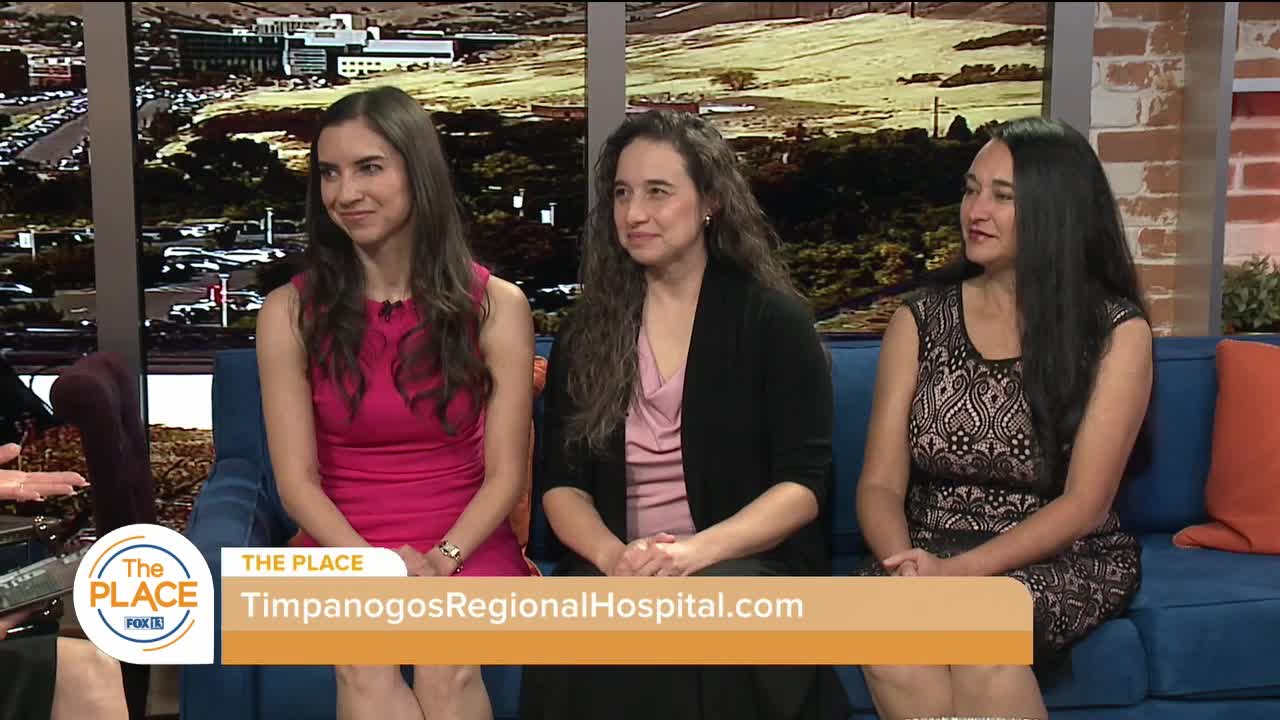
Three female breast surgeons who operate at MountainStar Healthcare’s Timpanogos Regional Hospital – Dr. Lisa Anderson, Dr. X. Alexis Driggs and Dr. Jennifer Tittensor – joined FOX13’s The PLACE on Monday with host, Jenny Hardman, to remind Utah women to schedule their annual screenings.
Annual Mammogram Screenings
The American College of Radiology (ACR) and Society of Breast Imaging (SBI) recommend annual mammography screening for all average-risk women ages 40 and older. Your physician may refer you for a mammogram earlier if you have known risk factors or a family history that may impact your risks.
“Annual screening is one of the most effective ways to detect breast cancer early. When breast cancer is found at its earliest stage, the survival rate is 99%,” explained Dr. Anderson.
There are two types of mammograms. A screening mammogram is an X-ray that looks for unsuspected breast cancer in women who do not have symptoms. A diagnostic mammogram examines abnormalities, usually after they are spotted on a screening mammogram.
When you show up for your mammogram, you will need to undress just to your waist for your exam, so consider wearing a two-piece outfit. During the screening, each breast is compressed between two plates of a mammography machine. X-rays are taken of each breast from the front and the side.
The pressure and positioning required with mammograms can be uncomfortable. It may help to know that the screening portion of the appointment only takes about 10 to 15 minutes. Diagnostic mammograms can take longer than screening mammograms because more images are needed.
Risk factors for breast cancer include:
- You have family members with breast cancer (although most women who develop breast cancer have no breast cancer in their family).
- You have already had breast cancer.
- You carry certain genetic mutations, including BRCA1 and BRCA2 mutations.
- Someone in your family is a genetic mutation carrier & you remain untested.
- You have been previously treated with radiation to your chest for cancer.
- You have had certain “high-risk” results on breast biopsies such as pre-cancerous lesions.
- You have dense breast tissue on mammography.
- Some women with one or more risk factors may be considered at highest risk for developing breast cancer during their lifetimes.
Regardless of age, if you have any of the 12 signs or symptoms of breast cancer, it should prompt an exam and/or imaging. These include a bump, hard lump, thick area, breast dimple, nipple crust, pain/itch in one spot, new fluid, skin sores, growing vein, a sunken nipple, new shape/size, and/or the presence of an “orange peel” skin rash.
“Women should become familiar with their breasts and how they normally look and feel. This can make it easier to recognize any changes,” Dr. Driggs said. “We all need to understand the baseline of what’s normal for us, so we can notice any breast changes early on. That’s incredibly important.”
Reconstructive Breast Health & Available Surgical Treatment Options
When someone receives a breast cancer diagnosis, it is important to understand that in 2026 – now more than ever – patients have surgical options. Surgical treatments include ready conservation, oncoplastics, lumpectomy or mastectomy and reconstruction, among others.
“The mastectomies of old days where muscles were removed and everyone ended up with lymphedema or a swollen arm, are long gone. We now almost always can offer patients immediate reconstruction with mastectomy surgery, where the plastic surgeon comes in right at the same operation and places an implant or does a muscle flap, so that when she wakes up, there's something there, right from the get-go,” Dr. Tittensor explained in this YouTube video.
She says as time has gone on, cosmetic outcomes have improved significantly, as well, including but not limited to offering patients oncoplastic surgery with lumpectomy so the breast size and share appears more natural, sparing nipples with mastectomy, and potentially sparing the nerves in mastectomy so that the breast or breasts look and feel more natural in the long-term.
“No question about it – breast cancer is a scary diagnosis and people come to my office very afraid, typically. Most of the fear though is the unknown. They don’t know what it means and they don’t know what surgery they need,” added Dr. Tittensor. “Usually by the end of the office visit they have a much better idea of what’s coming. We talk about the details of their biopsy, we discuss surgical options, we make referring appointments if they need chemotherapy and their questions are answered. While there is still a long road ahead, there is a sense of calm because they know what steps need to be taken.”
Girls’ Night Out 2026 at Timpanogos Regional Hospital
In honor of Breast Cancer Awareness Month, Timpanogos Regional Hospital is partnering with Lots of Love, a local non-profit organization, to put on an outdoor Girls’ Night Out event on Thursday, Oct. 22 from 5-7 p.m. The event is FREE!
Lots of Love's mission is to increase education on screenings, foster early detection and reduce barriers to care. The non-profit was started by the adult daughter of a patient of Dr. Tittensor who battled breast cancer. Girls’ Night Out is one of their signature events in fulfilling their mission to help women feel empowered to take care of their health.
The event is for women over the age of 16 to come with their mom, sister, daughter, friend, or neighbor for a fun night together. The first 100 women will receive a swag bag filled with amazing items and large giveaways will happen every twenty minutes. Plus, local vendors will be on site to pamper all who attend.
While it feels like a girls’ night, underneath all the fun there is a very serious purpose—connecting women with information, screenings and resources that can make a difference.
Solis Mammography
Screening mammograms are covered by insurance and have a $0 out-of-pocket cost for most women. You can schedule a screening mammogram online in minutes at SolisMammo.com/schedule. Just select a center near you, a date and time, and enter your information. If you prefer to speak with someone to schedule, you can call (866) 717-2551.
Timpanogos Regional Hospital is one of eight MountainStar Healthcare hospitals in Utah.