



Most people don't realize children can have strokes.
While pediatric strokes are uncommon, experts say they happen more often than many people think, and recognizing the warning signs quickly can make all the difference.
A 2022 medical journal article estimated that between one and 13 children per 100,000 experience a stroke each year. Researchers believe the true number is likely higher because pediatric strokes are often underdiagnosed. At the upper end of that estimate, more than 100 children in Utah could experience a stroke annually.
One of those children was Lucy, who suffered a stroke at age 13.
"She was getting ready for soccer and had a severe headache and started to lose the ability to walk and move her body, and her mom recognized that so quickly," said Amy Back, executive director of Pediatric Telehealth at Intermountain Health.
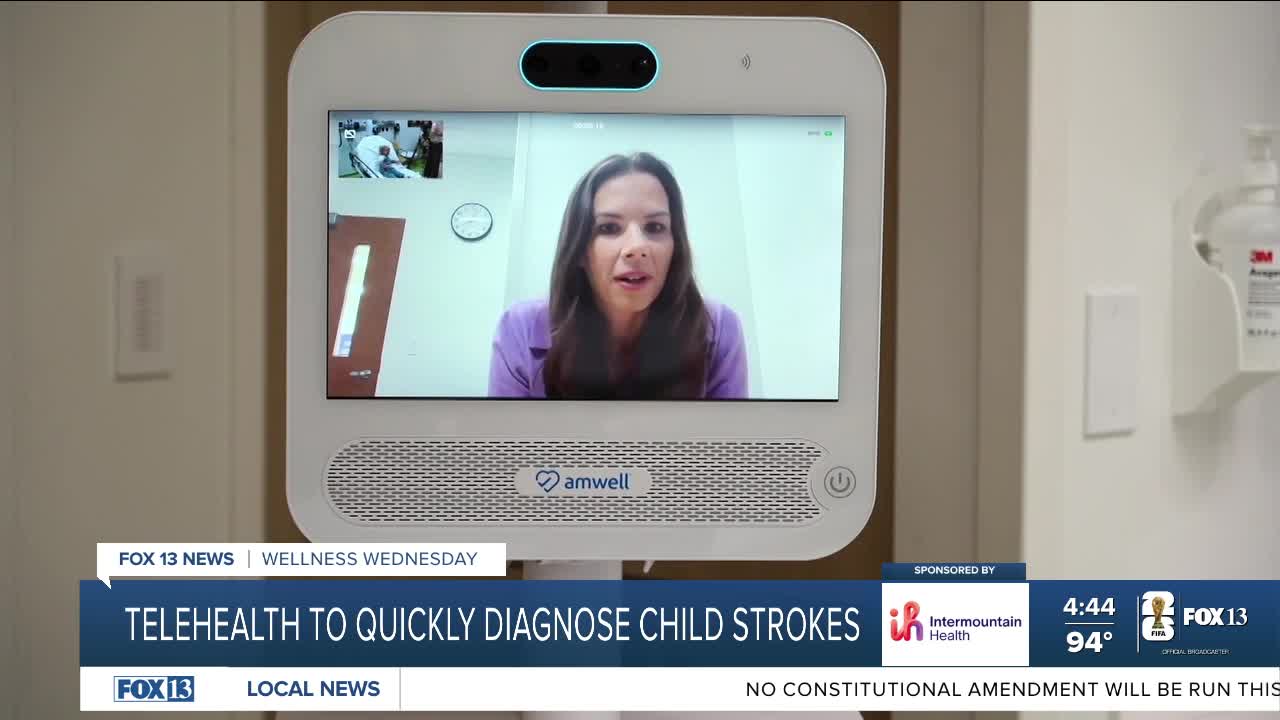
Lucy was rushed to the emergency department, where an emergency physician quickly connected with a pediatric neurologist through Intermountain Health's telehealth network. Because her stroke was recognized and treated quickly, Lucy recovered well and now walks the halls of her high school as an honors student.
Intermountain has connected all 24 of its hospitals across Utah and Idaho with pediatric neurologists based along the Wasatch Front. That means emergency physicians, even in rural communities, can immediately consult a specialist when a child arrives with possible stroke symptoms.
"Time is brain, as they say in the stroke world, and so the quicker you can get care to that child ... the more brain you save," Back said.
The goal is to make sure every child has access to specialized care, regardless of where they live.
"Every child, you know, no matter where you're at, no matter how much money you have, deserves healthcare," Back said.
Many smaller communities do not have a pediatric neurologist available in person, but virtual consultations allow doctors to begin treatment and develop a care plan immediately.
Doctors also want parents to know that stroke symptoms can look different in children than they do in adults.
Older children may experience more familiar stroke symptoms, including:
- Difficulty speaking or slurred speech
- Vision problems
- Confusion
- Sudden dizziness
- A severe headache
- Vomiting
In younger children and toddlers, symptoms can be less obvious. They may seem unusually sleepy, have a seizure or stop using one side of their body.
If something doesn't seem right, Back said parents should trust their instincts and seek emergency care.
"Absolutely just have that thought in the back of your mind. If you're meeting any of those symptoms, you're worried about your child, please go to an emergency department," Back said.
