

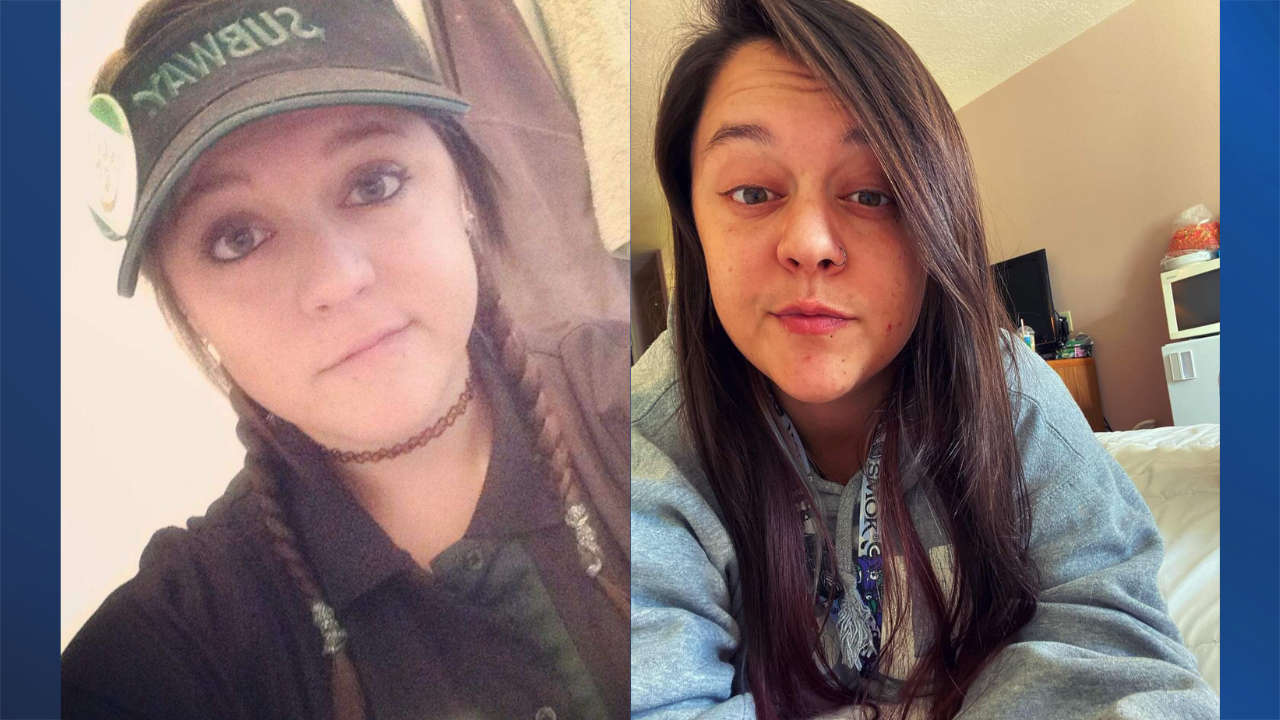


CEDAR CITY, Utah — Stephanie McDermott wanted to go start CPR on her daughter.
“But they wouldn’t let me touch her,” McDermott said. Emergency responders had already declared Kylee Dittrich-Gray dead. She was 31 years old.
As McDermott looked at her daughter’s body, investigators at the scene found fentanyl, including one partially smoked pill.
Almost a year later, a federal judge sentenced to prison two dealers identified as procuring or providing the fentanyl. Such prosecutions have become a priority for the Utah Fentanyl Task Force, formed in 2024.
As it has seized millions of pills and pursued trafficking networks, the task force has also investigated low-level dealers whose customers – like Dittrich-Gray – don’t survive the fentanyl they swallow, snort or smoke.
“About 400 pills, what you can hold in your hand, is a five-year mandatory-minimum sentence,” explained Melissa Holyoak, the U.S. Attorney for Utah.
Prosecutors in Holyoak’s office are often the ones prosecuting the suspects arrested by the task force. Investigators come from the U.S. Drug Enforcement Administration and various state and local detectives from across Utah.
“This is a problem in the state of Utah,” said Miguel Chino, the assistant special agent in charge for the DEA in Utah, “and DEA, with all of our partners, are going to work together to eliminate it.”
Reggae, rock hunting, addiction
McDermott remembers the good and bad times with her daughter.
“She had lots of friends,” McDermott said of Dittrich-Gray.
“She loved reggae music. She liked going rock hunting.”
“But she was a good mommy,” McDermott said. “She was a great mommy.”
Dittrich-Gray started using heroin in high school, her mother said. Dittrich-Gray consumed methamphetamine, too.
Of fentanyl, McDermott said her daughter told her, “It gets you higher.”
“And it's like, ‘How high do you need to go?’” McDermott wondered aloud.
Meanwhile, court records show Dittrich-Gray had multiple convictions in Cedar City courts for drug-related offenses.
Like a lot of addicts, McDermott said, her daughter had periods of sobriety and then not. Dittrich-Gray gave birth to a girl in 2020.
“And then the next thing you know,” McDermott said, “we get a phone call.”
One pill… or less
It was April 20, 2024. Dittrich-Gray had been working at a Ramada Inn in Cedar City. McDermott said a co-worker found Dittrich-Gray in a room she was supposed to be cleaning.
The employee, emergency responders and McDermott all arrived too late to save Dittrich-Gray.
“It really is a sickness that pulls you in,” McDermott said of addiction, “and if you let your guard down for a second, like Kylee did....”
McDermott’s voice trailed off.
According to McDermott and court records reviewed by FOX 13 News, it’s believed Dittrich-Gray didn’t even finish smoking one fentanyl pill before suffering her overdose.
To Holyoak, the U.S. attorney, Dittrich-Gray’s death “says that fentanyl is very deadly.”
Chino, from the DEA, said one death is too many.
“That's why the DEA is pushing for total elimination of fentanyl.”
The investigation
Court records say that detectives at the scene spoke to witnesses and looked at the inn’s camera footage.
Investigators were soon put onto Kimberly Dawn Hare, now 36 years old. According to documents, detectives believe Hare is the one who delivered the fentanyl to Dittrich-Gray.
Police in Cedar City also arrested Hare’s husband, John Parry, now 41. Court records say he picked up the fentanyl in the Salt Lake City area and passed it to Hare.
“We want to take down the networks, of course we do,” Holyoak explained, “and we're going to continue to devote resources to that. That is an absolute priority of the Administration.
“But we will also look to those who are distributing because the fentanyl is deadly.”
In 2025, Hare and Parry each pleaded guilty in federal court to a count of selling or distributing narcotics. A judge sentenced Hare to 12 years in prison; Parry to 15 years.
Neither Hare nor Parry responded to letters FOX 13 sent them at their respective prisons.
“They’re going to know what it feels like to not be around their kids,” McDermott said of the defendants. “They're gonna know what it feels like for their kids to not have their parents. But they made Kylee's kid an orphan.”
As for the Utah Fentanyl Task Force, there are signs of success. Utah has reported fewer fentanyl deaths each of the last two years, and the number of fentanyl doses seized has increased.
McDermott is now focused on raising her granddaughter and keeping her away from drugs.
“I can't have another one going down that road,” McDermott said.
McDermott has a complex view of the prosecutions. She believes it brought justice for her daughter and granddaughter, but isn’t sure removing just two drug dealers makes Cedar City safer.
“You wipe one out, one pop backs up,” McDermott said. “Like weeds.”
This story is part of “Utah’s Fentanyl Fix,” a FOX 13 News series exploring the impact of fentanyl in Utah and what can be done to keep families safe. The next story in this series will air Thursday night at 9 p.m.
