



SALT LAKE CITY — Homebuyers should never skip a home inspection, especially when it comes to testing for radon, a cancer-causing gas prevalent in Utah.
Thorough inspections include checking plumbing and electrical systems, roof condition, and cracks in the foundation. Inspectors can also find concerning issues like mold, asbestos, lead paint, meth contamination, and radon.
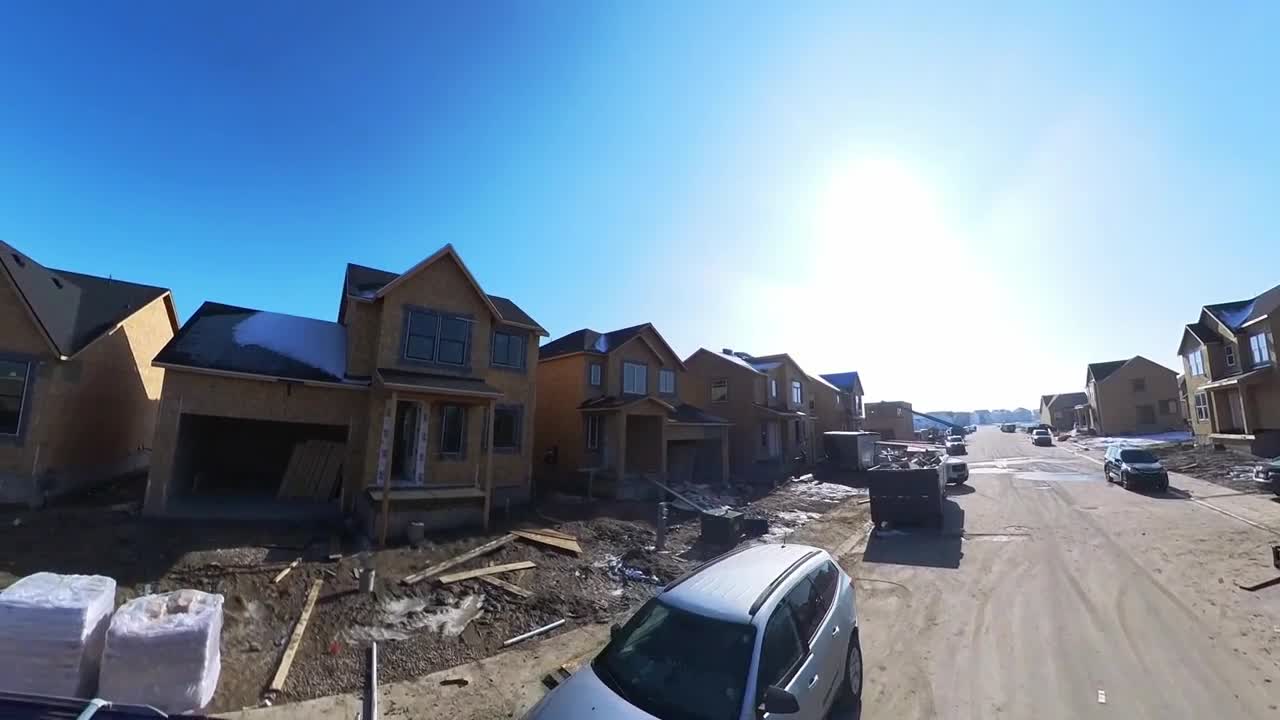
While these specific tests usually cost extra, real estate agent Jen Fisher advises homebuyers not to skimp on the inspection. "Even new builds can have things that the contractor doesn't catch, and that's happened," Fisher said.
"There's few times when somebody says, I don't feel like we need an inspection. And I will correct them and say, yeah, we do. We really do," Fisher said.
Fisher said a test for radon is a must in a state like Utah. "It'll come down through the basement and come up through those cracks, and then it can literally poison you," Fisher said.
Radon at elevated levels can cause cancer.
Eleanor Divver, the radon coordinator for Utah, believes a radon test should happen in every home inspection, regardless of the property's age. "We see radon levels in one in three homes throughout the entire state. But do think about, are you in an area where they used to do mining? Does that put you at greater risk? It might," Divver said.
"Our home is going to be fine. It's a brand-new home. We don't need to test for radon. Myth, myth, myth. You've got to test for radon because those homes are more airtight, more energy efficient, which is what we want, right? But it also makes it so it's possible that your radon levels are greater than four picocuries, and you might want to consider mitigation," Divver said.
A mitigation system that pulls the radon out of a home costs about $2,000, but it can prevent future health issues. "This is your health. This is your family's health," Fisher said.
Fisher said a home inspection is one of the most important parts of the buying process and can save money if issues are found. "We're going to kind of negotiate with the seller to mitigate that for us," Fisher said.
Taking a thorough look at the property can prevent future headaches or surprising costs.
"So many problems down the road. And we don't even know how far down the road, right? So, yeah, that's big deal," Fisher said.
To find the best inspector, homebuyers should ask their real estate agent for referrals. Agents will usually give a list of two to three reputable options. Homeowners who want to test their own home for radon can get a kit from the Department of Environmental Quality. It costs about $15. Radon Program - Utah Department of Environmental Quality
You can also go to UtahRadon.org for more resources and a free test.
Divver said you should check your home every two to five years. It is also important to test after a remodel project because things like new windows can change the airflow in a home and possibly increase radon levels.
This story was reported on-air by a journalist and has been converted to this platform with the assistance of AI. Our editorial team verifies all reporting on all platforms for fairness and accuracy.