



LAS VEGAS — Becky Mitchell was blunt in her assessment of the situation.
"The Colorado River does not respond to press releases or historical entitlements, it responds to snowpack, soil moisture and temperature," Mitchell, who is Colorado's commissioner over the river, said in remarks on Tuesday.
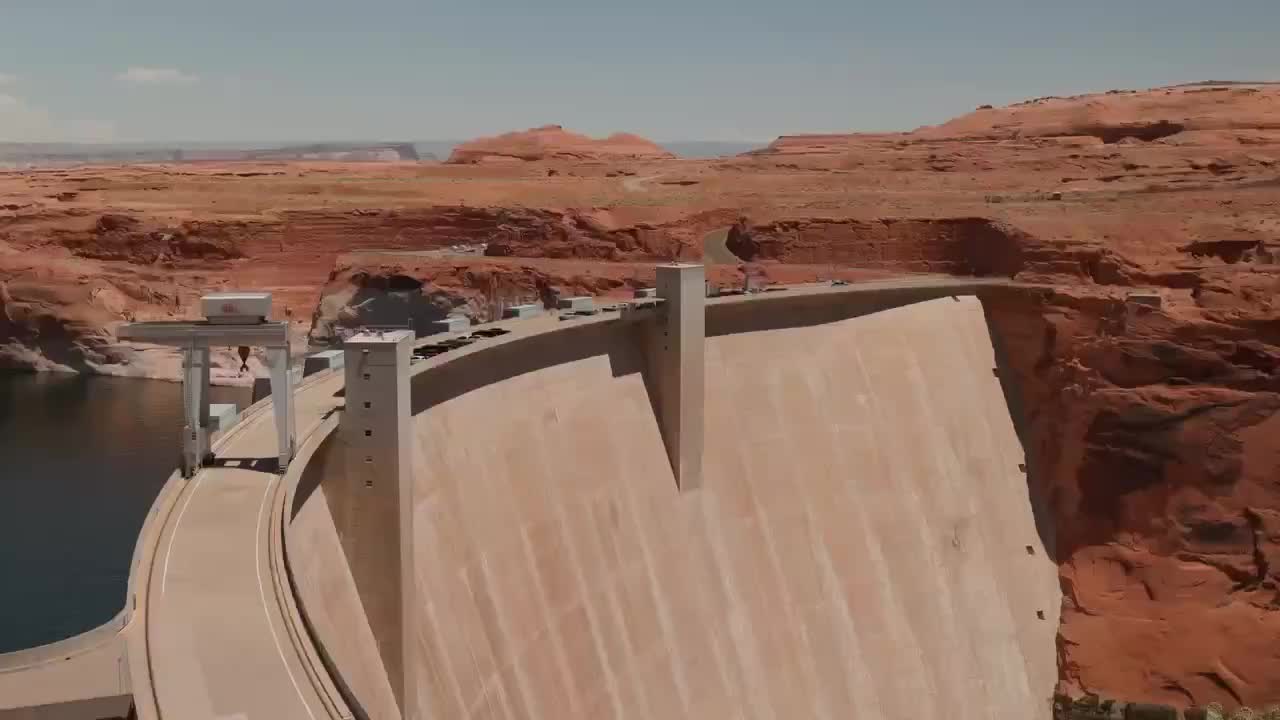
She pointed out the horrible hydrology at a meeting of Upper Basin states at the annual Colorado River Water Users Association meeting. Lake Powell is only 27% full; Lake Mead is 33%.
For eastern Utah rancher Bill Butcher? It was nothing new. He lives along a tributary of the Colorado River and relies on it.
"We’re a little worried. The drought is affecting all of us for sure," Butcher said.
The hydrology is becoming a significant component in negotiations between the seven states along the Colorado River, who are here in Las Vegas to try to come up with a new deal to manage it. Current agreements expire in 2026. The river supplies water to more than 40 million people across the western United States.
Mitchell called it a "precarious time."
"Precarious because although the Basin states continue to negotiate, the endgame continues to be a consensus deal," she said.
Gene Shawcroft, Utah's commissioner over the Colorado River, expressed optimism.
"We continue to be at the table. These issues get more and more difficult every day. We continue to be there. We believe we are making progress," he told a crowded ballroom.
But stakeholders are nervous. Environmental groups believe the continuing declines in the Colorado River add to the urgency of the situation.
"The habitats the Colorado River supports and sustaining those in the midst of a water supply crisis I fear is impossible," said Jennifer Pitt with the Audubon Society. "What we really are urging the states to do is find that consensus."
Jordan Nielson, the Utah state director for Trout Unlimited, said it affects real people.
"We all need to be thinking really hard about solutions for this next year and going into the future," he said.
Each state insists they are making cuts and points the finger at others to do more. Upper Basin states on Tuesday outlined the efforts they have made. Utah, for example, has begun paying farmers not to grow crops to conserve. Wyoming's legislature is exploring a statewide water conservation program.
On Tuesday, California water officials held a news conference where they pointed out their state's size, economic impact and agricultural power. At the same time, they argued they have made significant investments in conservation, growing crops for the nation with less water and returning some to Lake Mead.
"California is here to save the Colorado River, but we can’t do it ourselves," said JB Hamby, the Colorado River commissioner for California.
Jessica Neuwerth, the executive director of the Colorado River Board of California, acknowledged that Upper Basin states are saying similar things.
"Every state across the Basin can make an argument that they have done a lot," she said. "What we are hoping to get across in California is all of us will have to do more than we’re doing now."
Late Tuesday, the Upper Basin states released a joint statement offering some ideas in negotiations, but also indicating they would not agree to caps or mandatory reductions that would "unfairly penalize decades of responsible water management and preclude flexible tools."
The states said they are working for a 20-year operational plan for Lake Powell and Lake Mead that includes sustaining Lake Powell; Lake Mead operations "that live within the means of the River;" storage at sites like Flaming Gorge and other reservoirs supporting Upper Basin interests; and urging Lower Basin uses that "adapt to available supply."
None of the states want the federal government to step in and make unilateral decisions or spend years tied up in court. So they all continue to keep talking. U.S. Bureau of Reclamation officials are attending the conference and expected to address the crowd on Wednesday.
This article is published through the Colorado River Collaborative, a solutions journalism initiative supported by the Janet Quinney Lawson Institute for Land, Water, and Air at Utah State University. See all of our stories about how Utahns are impacted by the Colorado River at greatsaltlakenews.org/coloradoriver