



SALT LAKE CITY — A consumer watchdog for energy education shared how last year, electric and gas utilities across the U.S. requested nearly $31 billion in rate increases, more than double the $15 billion in rate increases requested in 2024.
“People’s utility bills have been going up for the last 5-10 years, even before data centers came on,” said Charles Hua, founder and executive director of PowerLines. “But of course, now data centers are coming onto the scene, they are putting a lot of pressure on the grid.”
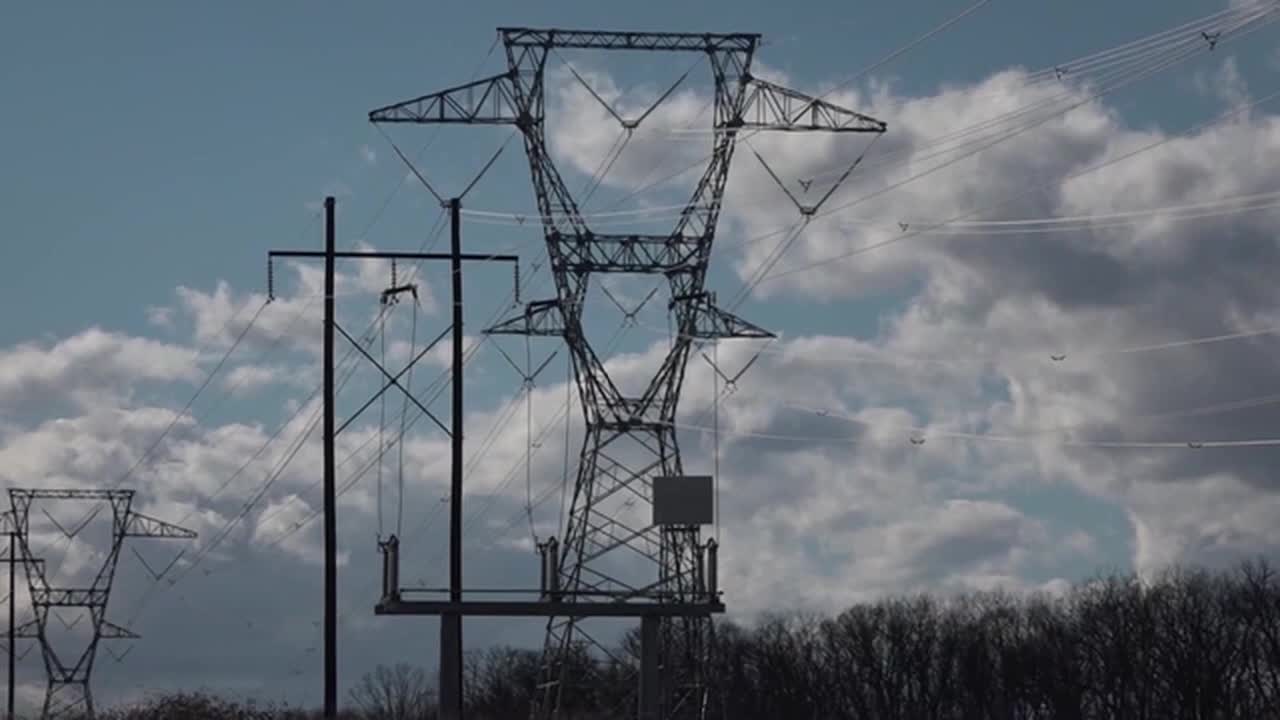
Data centers aside, one glaring reason utility bills have gone up in the western part of the U.S. is the aging grid infrastructure. Replacing and repairing it costs much more money, especially in the wake of more extreme weather events like wildfires, which cause more damage to the grid.
PowerLines said data centers do demand more power from the grid, but the correlation between more use of power due to a data center and your electric bill is a complex one.
“If you use the grid more efficiently because the infrastructure has already been built, you take those costs of the grid, and you spread it out over more customers,” said Hua. “You could actually lower the price of electricity, but that’s not always happening because utility companies generally like to spend money on new infrastructure. So, when a data center comes to town, that gives the utility companies a perfect justification to go to their public service commissioners and say, ‘That’s why we need to spend more money'.”
Utah has three public service commissioners appointed by the governor. They are the body that oversees how much utility companies charge for electricity.
O'Leary agrees to dramatically reduce Stratos Project data center footprint:
“That’s why it’s important for the public service commission to really scrutinize these investments and make sure these investments are actually needed," Hua said. "Are they actually serving the interest of consumers? It can be a little complicated to understand that dynamic, but it’s so important because there are these human beings that are setting these prices, and they ultimately have the power to make these types of decisions."
PowerLines encourages residents in a state like Utah to engage with the public service commission and the governor to make their voices heard on all things electric and utility.
FOX 13 News reached out to the commission with questions for Utah consumers, but has yet to receive a response.