



SALT LAKE CITY — Utah’s Adult Protective Services agency is substantiating an average of just 5% of all allegations of abuse, neglect and exploitation it investigates each year — a far smaller percentage than the national average, data shows.
Advocates say that number is likely not an accurate representation of the true scope of elder abuse. Instead, they worry it reflects the impacts of understaffing and high caseloads on the quality of the agency’s investigations.
“I think we’re clearly missing something,” said Nate Crippes, an attorney with the Disability Law Center. “If we’re not investigating, we’re not looking at serious allegations, some really bad things can happen. And some people can really be put in some really difficult and horrific situations.”
Nationally, Adult Protective Services (APS) agencies uphold an average of about 29% of the cases they investigate, according to a 2021 report prepared for the U.S. Department of Health and Human Services that covered 36 states. That’s nearly six times the average percentage of cases substantiated here.
Utah's numbers “raise red flags to me, extremely,” said Sam Brooks, the director of public policy at the National Consumer Voice for Quality Long-Term Care, which advocates for better conditions in nursing homes across the country.
“That substantiation rate is not going to be reflective of actual abuse,” he argued in an interview. “It's going to be reflective of challenges, often that APS programs face due to lack of funding.”
In Utah, the vast majority of cases APS investigates — nearly 80% on average — were deemed “inconclusive” or “undetermined” from 2019 to 2025, according to disposition data the Utah Department of Health and Human Services provided to FOX 13 News through a public records request. About 15% of cases were deemed to have no merit each year during that same timeframe.

Crippes said the Disability Law Center is aware of APS investigations that he believes exemplify why so many of its cases are neither confirmed nor denied.
“They go into a place, they hear from, say, a resident of a facility that says, ‘This is what happened.’ And then they talk to the staff and say, ‘No, this is what happened,’” he said. “And then it’s like, ‘Well, we can’t substantiate.’”
“And I don’t think that is a thorough investigation,” he added.
The Disability Law Center, which has been designated by Utah’s governor as a watchdog for those with disabilities, often conducts investigations that coincide with APS inquiries.
But in a 2023 letter to the U.S. Department of Health and Human Services, the nonprofit noted that it is “often” able to substantiate claims the state’s APS investigators “have found inconclusive or without merit.”
Referencing a particular incident at an intermediate care facility for people with disabilities, the center said it was able “to support numerous claims of abuse and/or neglect” that APS and the Office of Licensing were not able to substantiate.
Read more from FOX 13’s ongoing coverage of Utah’s long-term care industry here:
- What you should know before choosing a nursing home
- Older adults are wandering away from Utah care facilities, sometimes with tragic outcomes
- Critics say taxpayer dollars for nursing homes should be spent on care, not new buildings
- Nursing homes receiving millions in extra taxpayer funds face allegations of poor patient care
Nels Holmgren, the director of the Utah Division of Aging and Adult Services, pushed back on criticisms of the agency's investigations. He noted that investigators work hard to get to the truth of an allegation, including partnering with law enforcement and the state Office of Licensing, when necessary.
“It certainly should never be a case of somebody saying, ‘This happened’ and another person saying, ‘It didn’t happen,’ and then we say, ‘Oh well,’” he said in an interview. “There’s more to it than that.”
Holmgren added that he isn’t concerned about low substantiation rates in Utah compared to nationally, pointing to differences in laws around elder abuse investigations that can make it difficult to draw comparisons between states.
In Utah, he acknowledged that the bar for investigating and substantiating cases “is high,” and that investigators are subject to a “fairly narrow set of statutes” — so “there are probably things that other states may consider a substantiated case that we don’t.”
“I think policymakers in the state are very cautious about getting too involved in the lives of adults,” he added. “They’re very conscious of that and want to make sure that people have protections and at the same time that we’re respecting people’s independence and autonomy.”
Cases where the Disability Law Center has been able to confirm a complaint APS deemed inconclusive could also be due to differences in investigative standards between the government agency and the nonprofit, he added.
WATCH: Holmgren explains Utah’s approach to investigating allegations of abuse, neglect and exploitation involving older adults
Challenges substantiating
Utah’s Adult Protective Services agency investigates about 5,500 complaints each year of abuse, neglect and exploitation involving adults 65 and older or those 18 and older with a physical or mental impairment that puts them at risk.
Data shows allegations of financial exploitation were the most common in fiscal year 2025, making up about 26% of all complaints to the agency. Caretaker neglect, emotional abuse and self-neglect (“where people just may not be taking care of themselves,” Holmgren said) were also common complaints.
Then there are the allegations Holmgren describes as “rare but horrifying,” like physical and sexual abuse. About 13% of all complaints made in fiscal year 2025 alleged physical injury or harm, while 3% alleged sexual abuse.
Holmgren said these “awful cases that are relatively rare tend to get pretty good action,” noting that police are often involved.
“We have a good partnership with law enforcement across the state,” he added, “and they certainly similarly have a role and a desire to resolve these cases and make sure that our older people are safe.”
WATCH: Holmgren explains warning signs for elder abuse, neglect and exploitation
But he acknowledged that APS investigators do face some barriers when attempting to substantiate cases.
Some victims are hesitant to move forward because the other party is a family member. Others may lack cognitive capacity to work with investigators. And unlike in child abuse investigations, alleged perpetrators in Adult Protective Services cases aren’t legally required to participate.
“It can be really difficult if that person is not cooperative,” Holmgren said.
High turnover and heavy caseloads can also pose challenges for investigators.
Records from the Utah Department of Health and Human Services show that in the first half of last year, APS investigators in some positions handled more than 40 cases a month on average — almost triple the “ideal caseload” of 12 to 15 per month, according to a 2023 budget presentation.
“We’re certainly aware of that issue and are working with executive and legislative branch partners to make inroads on that,” Holmgren said.
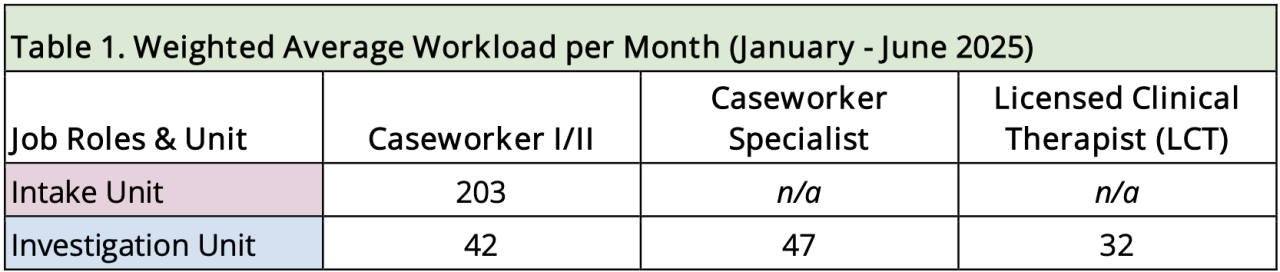
To try to stem turnover and improve caseloads, the 2023 budget presentation said the office had developed a retention bonus program for employees who stay longer than a year and been evaluating candidates based on experience, even if they don’t have the required social work degree.
The Disability Law Center has also advocated for a capped caseload for Utah’s APS investigators, arguing that the state is “unlikely to fund additional staff to meet the need without a requirement to have a fixed ratio.”
Utah Gov. Spencer Cox recommended in 2024 that additional dollars be set aside to hire new caseworkers, in an effort to “help reduce caseloads.” But online budget information shows the Legislature didn’t approve the extra funds.
“There were many requests that were not funded,” Holmgren noted, adding that it’s “certainly something that we continue to work at and advocate for.”
In the meantime, he said the agency is “squeezing as much benefit out of the existing budget as we can.”
Crippes said he hopes lawmakers will take a closer look at APS staffing, training and investigative standards during this year’s ongoing legislative session. Without stronger processes in place, he argues, the state may never uncover serious abuse.
“Ultimately, if something horrific is happening, this may be the only way we’re ever going to find out,” he said.
Editor’s note: Utah law requires anyone who believes a vulnerable adult is being abused, neglected or exploited to immediately notify APS or law enforcement by filing a complaint on APS’s website or by calling 1-800-371-7897.