



A new regional survey is shining a light on what many women say they already know - menopause symptoms are common, disruptive, and often not taken seriously by the medical system.
Inflexxion Health, a Utah-based telehealth company focused on menopause care, surveyed 1,000 women ages 40 to 60 across Utah, Arizona, and Colorado to better understand their experiences during perimenopause and menopause. Founder and CEO Victoria Hodgkins says the findings reveal major gaps in knowledge, care, and trust.
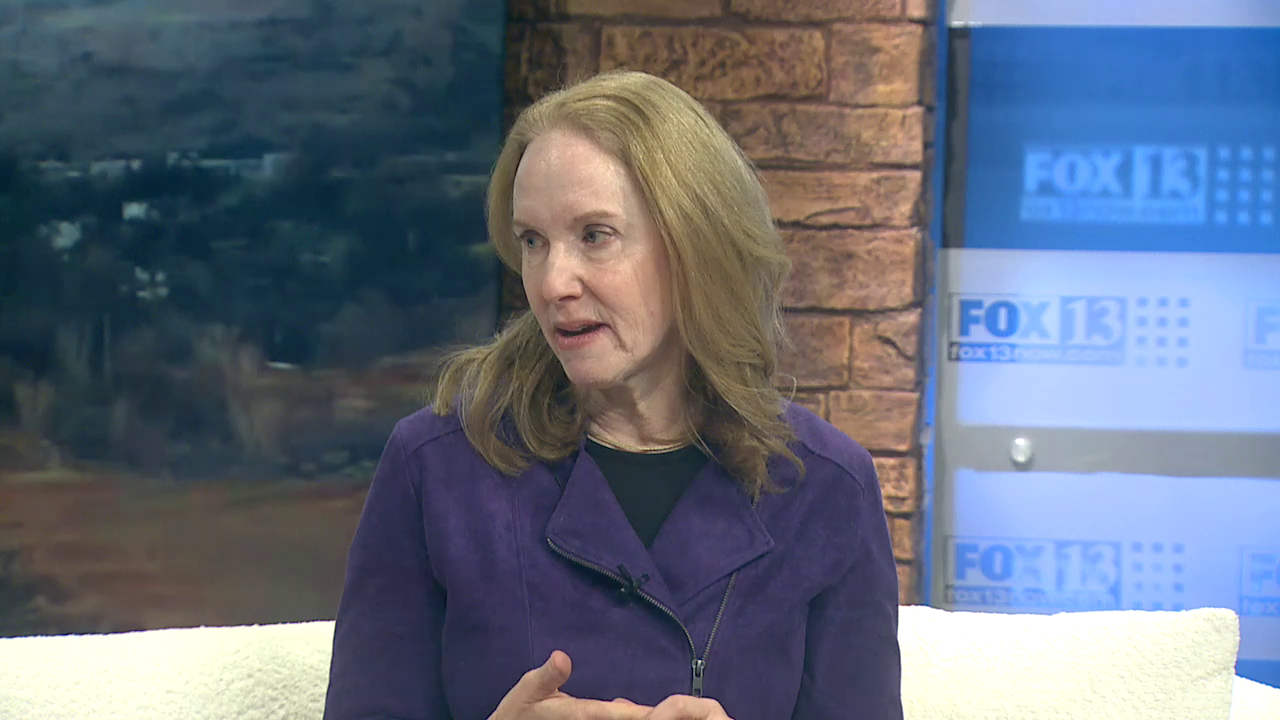
“Although every woman is going to go through menopause, there’s not a lot of good data and research out there,” Hodgkins said during an interview Saturday morning in studio at FOX 13 News as a part of Good Day Utah Weekend, “Certainly not on a regional basis.”
The survey found nearly nine out of ten women experience menopause-related symptoms, with women reporting an average of five symptoms each. More than 80 percent said those symptoms had a “really profound negative impact on sense of self.”
Despite that, many women delay or avoid seeking care.
“When we ask about barriers to care, the number one is cost,” Hodgkins said. “But the number two and three are maybe my symptoms aren’t severe enough, or I’m worried about being dismissed.”
She says that fear is often justified. According to the survey, one in four women who sought help were turned away.
“They’re told to come back later when symptoms are worse, or come back when your periods have stopped for good,” Hodgkins said. “Both of those are completely contradictory to what the Menopause Society says.”
The survey also found most women are learning about menopause online or through friends and family, rather than from healthcare providers. While social media has helped reduce stigma, Hodgkins says it has also created confusion.
“There is a lot of information online,” she said. “Some of it’s good, and not surprisingly, some of it’s not.”
Another notable finding: women are more likely to be prescribed antidepressants or sleep medications than hormone replacement therapy, even when menopause symptoms are the underlying issue.
“Doctors are more comfortable and used to prescribing those,” Hodgkins said. “But they don’t address all the symptoms, and they don’t have the long-term positive impacts of hormone replacement therapy.”
Inflexxion Health aims to close those gaps through video-based telehealth visits with menopause-trained clinicians, giving women access to specialized care beyond their local providers.
Hodgkins encourages women to advocate for themselves.
“You need to be your own healthcare hero,” she said. “Go ask those questions. What other options are there?”
If you’d like to learn more about Inflexxion Health or this study, you can find more here.
