



SALT LAKE CITY — Many women between the ages of 21 and 65 have had to schedule Pap smears.
“Cervical cancer is the fourth most common cancer in women, in Utah and developing countries, because we have HPV vaccine, we've seen a significant decrease in cervical cancer incidents,” said Stephanie Henderson, an obstetrician-gynecologist (OBGYN) for Intermountain Health.
However, it’s still common, and many women in Utah don’t get screened on time.
“We consistently rank in the bottom five states of the United States for number of women getting screened for cervical cancer on time,” said Deanna Kepka, an investigator for the Huntsman Cancer Institute.
Henderson said there are many reasons why.
“Access, insurance, living in a rural community, access to providers — all of that can delay screening,” she said.
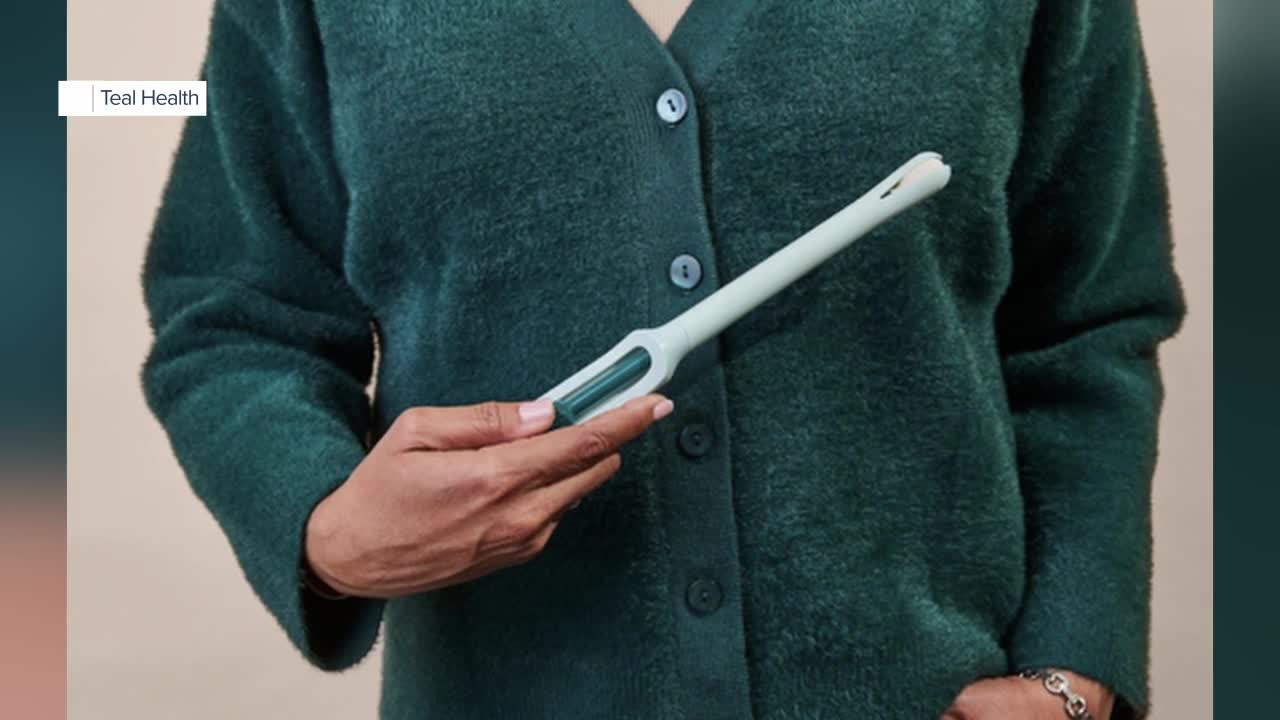
Teal Health, however, just launched a new FDA-approved at-home testing kit.
“I founded Teal Health because the current healthcare system often fails to meet women where they are," CEO and founder Kara Egan said in a statement. "We’ve seen too many women in Utah and across the country deferring essential screenings due to clinical anxiety, childcare hurdles, or simple lack of time. By bringing our technology to the state, we are bringing point of care to the home. This isn't just about convenience - it’s about equity and early detection. We are thrilled to empower Utah women to take ownership of their health on their own terms and ensuring that life-saving preventative care is never out of reach.”
“I'm very confident in the test," Kepka said. "We have research studies that have shown that physician or clinician collected HPV samples are just as reliable as patient-collected HPV samples."
Kepka has done her own study regarding self-collection in Utah.
“We've already done 200 HPV self-collection tests, both in clinic and at home, and it's been incredibly successful and very well received,” she said.
The Teal Health kit allows women to order it, collect a sample at home, and mail it back for results.
Some clinics even offer self-collection on site, but one must meet certain qualifications.
“You need to be over age 30, so between age 30 and 65, and that this is your first test, or that you don't have a history of any abnormal tests,” Henderson said.
If a patient doesn’t meet these qualifications, they may need to see an in-person provider.
“When you're doing a self-collect sample, you're actually swabbing the vaginal tissue, versus when your provider is doing a screening sample, they're swabbing the cervical tissue,” Henderson said. "If you've had a history of an abnormal Pap smear… then we need to be doing the cervical swab with a clinician.”
“I personally prefer the option to work within a primary care setting for HPV self-collection, because you're already looped into a follow-up plan if your test result is abnormal,” Kepka added.
No matter how one chooses to screen, experts feel the technology is a step in the right direction.
“In Utah, because we have lower cervical cancer rates, we could be one of those states to eliminate cervical cancer — we just need to use the tools that we have,” Kepka said.
