

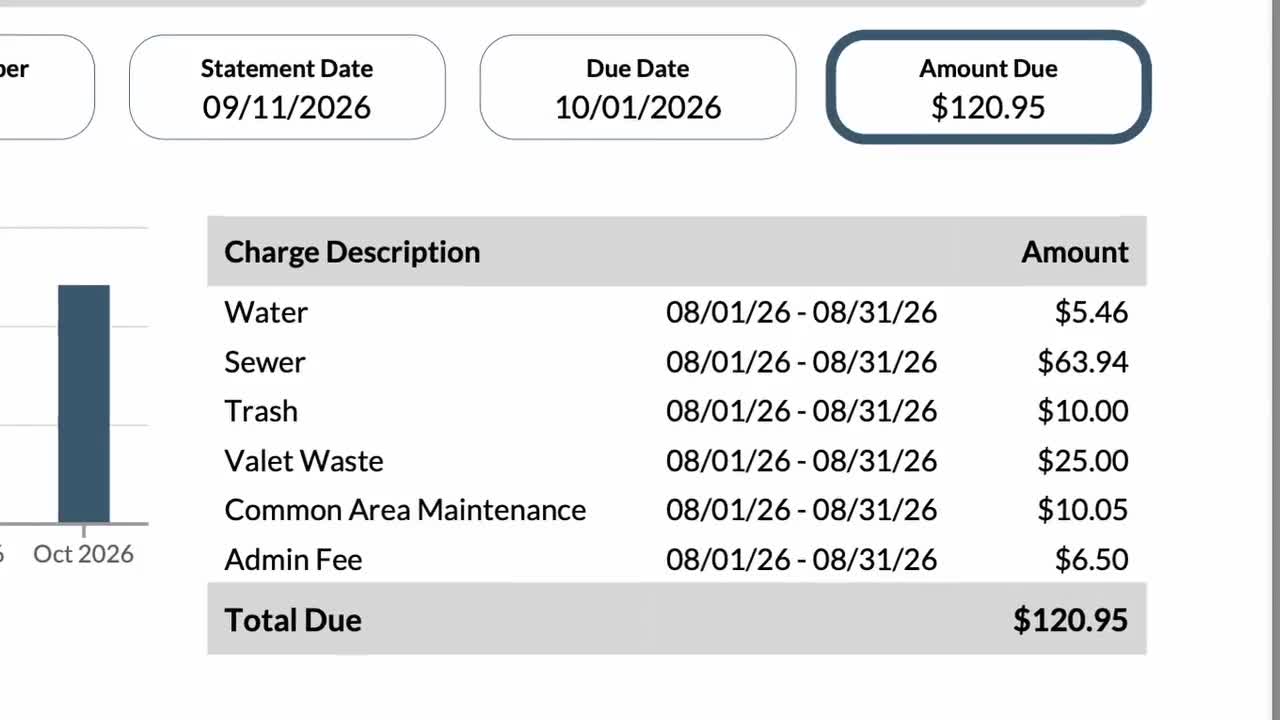


SALT LAKE CITY, Utah — Megan Fretwell thought there had been a mistake when she opened her August utility bill.
Her sewer charge had been $13.79 in July. One month later, it was $63.94.
“At first I thought it was just an error, so I was gonna reach out to management,” Fretwell said.
It was not an error. Salt Lake City changed how it charges multifamily properties for sewer service in July, replacing a system tied to water use with a flat monthly rate per unit.
WATCH | SLC renters get sewer bill shock
The city says the change is designed to give apartment-building account holders a steadier, more predictable sewer bill. But for renters whose utilities are passed through by a property owner or third-party billing company, the first sign of the change may be a higher bill.
Why multifamily sewer bills changed
Jesse Stewart, deputy director of Salt Lake City Public Utilities, said the previous multifamily rate was flow-based. That meant sewer costs could rise during months when a building used more water and fall when use dropped.
The city’s new flat rate for multifamily properties is $48.94 per unit. Stewart said it was designed to cover the cost of sewer service while providing property owners and account holders with predictability.
“Some of the multi-family customers we talked to wanted to have more consistency so they could budget better,” Stewart said.
The city says the rate is based in part on what a single-family home uses during winter months, then reduced to account for differences in multifamily use.
Salt Lake City Public Utilities says rate changes also help pay for ongoing service and infrastructure needs.
Why Fretwell’s bill was higher than the city’s flat rate
Fretwell lives at Washington Flats in Salt Lake City, where the property uses Residence Billing to allocate utilities to residents.
Jason Clark with Residence Billing said the company takes the property’s total sewer charge and divides it among occupied apartments.
“The sewer is an equal distribution, so it takes the total sewer charge, divides it by the number of total occupied units,” Clark said.
That means the city’s $48.94 rate is charged to the property for every unit, including vacant apartments. But the property’s total cost is divided only among the apartments that are occupied.
For Fretwell, that helped push her monthly sewer charge to $63.94.

A notice on her August bill said sewer charges could be higher because of “a substantial increase in rates from the local sewer service provider,” resulting in higher costs being allocated to residents.
“I just kind of wanna know the reasoning — why it’s a flat charge and why it’s so high as well,” Fretwell said.
City says renters are not direct utility customers
Salt Lake City Public Utilities says it conducted extensive outreach before the July change. The department says it used a rate advisory group, public forums, City Council hearings, community council presentations, a rate-information website, social media, information on utility bills and customer portals, news coverage and mailed notices.
Stewart said the department sent mailers in April to both property owners and utility account holders.
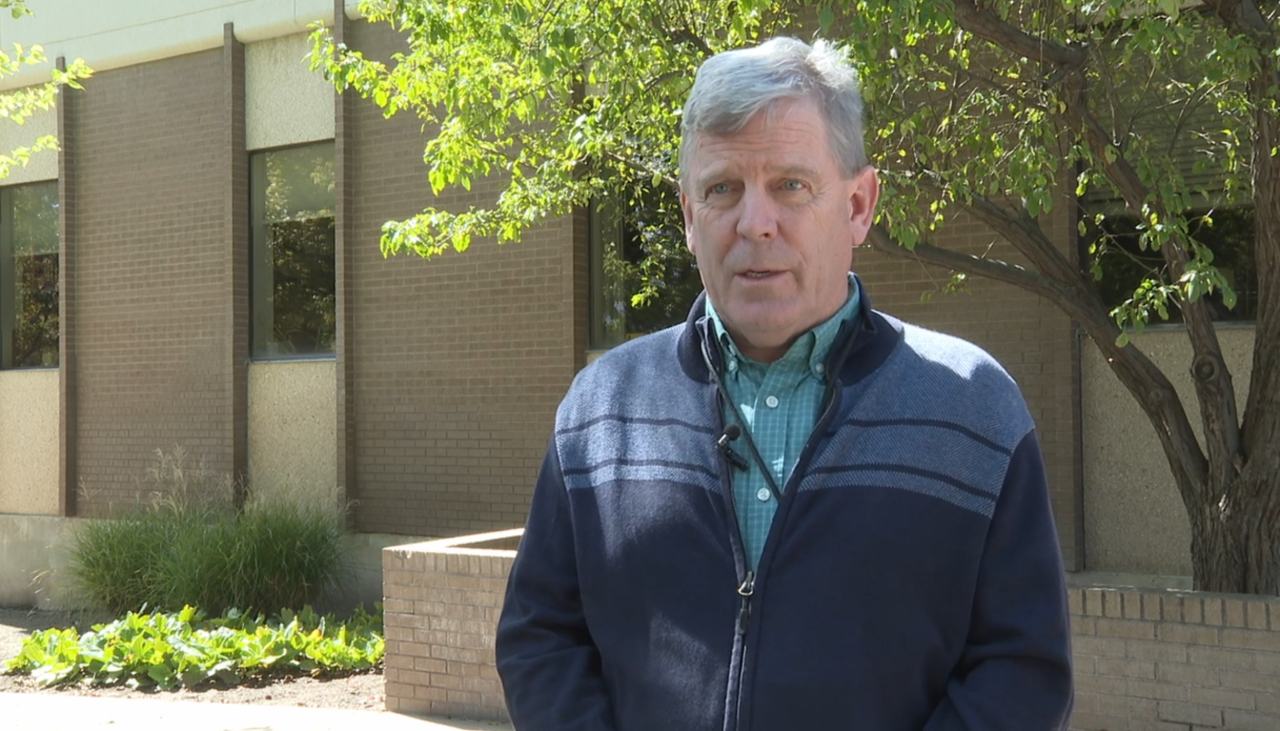
But the city does not have contact information for every renter living in a multifamily building.
“We don’t know who the renters are in these different multi-families,” Stewart said. “We just have the account holder, and we will bill them.”
How a property owner or billing company divides that charge among residents is not controlled by the city.
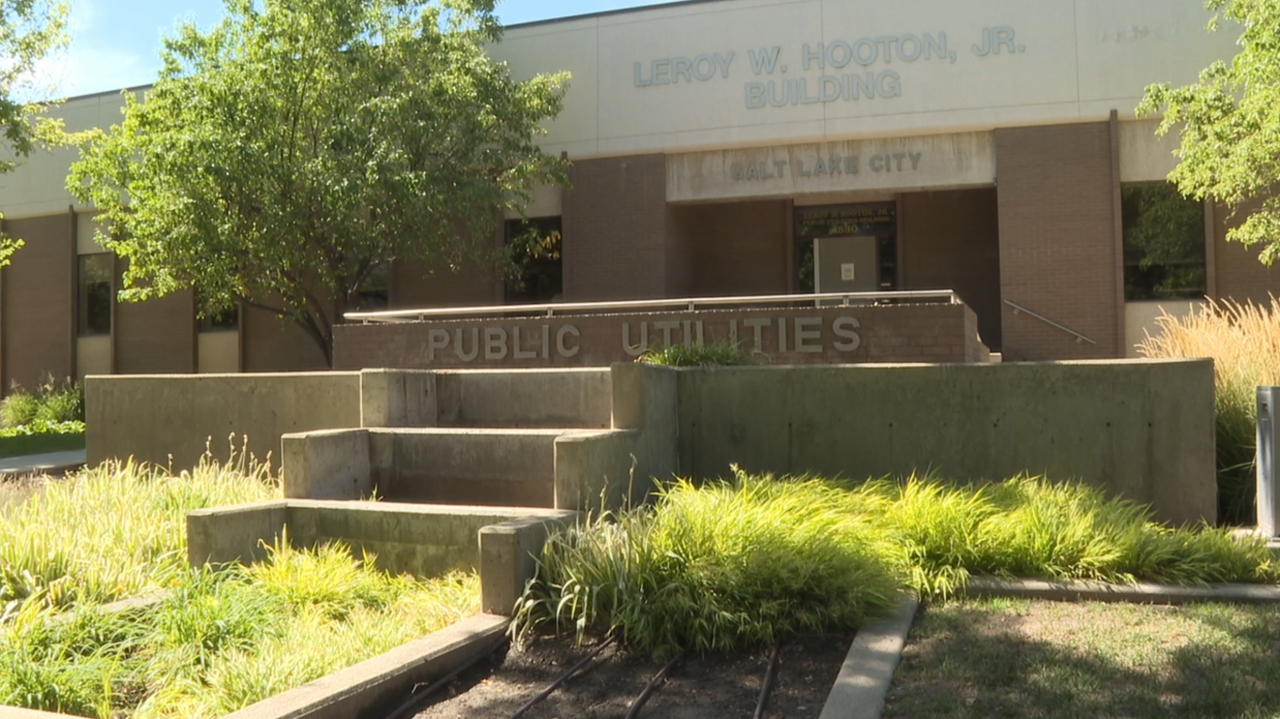
For Fretwell, who works overnights as a nurse’s assistant, the change means finding room in her budget for a bill she did not expect.
“Definitely have to do some more budgeting and just see where I can cut back a little bit,” she said.
The new sewer rate structure applies to multifamily properties across Salt Lake City. Renters who see a change in their bill can ask their property manager or billing company how the property’s sewer costs are being allocated.