



SALT LAKE CITY — The Salt Lake City Council passed two ordinances, imposing water restrictions on a wide range of buildings during the council meeting on Tuesday night.
During the meeting, the council recapped the water situation in Utah and reported that due to the warming temperatures, there is a greater decrease in the snow and water equivalent.
District 8 Council Member Alejandro Puy said this lack of snowpack and the state of the water situation are concerning. “We have been moving legislation over the years to make a difference, but we need everyone to make a difference on their own, too,” he said.
The ordinances restrict water on non-residential spaces and limit the use to 200,000 gallons of water per day. While this was already in place for commercial and industrial areas, it now applies to a range of government buildings.
The first ordinance amends Title 17 of the Salt Lake City code by clarifying what is included in the term “non-residential”. It limits the exemption to agriculture, schools, government-owned and operated facilities that “primarily provide social services, places of worship, and hospitals.”
The other ordinance specifically limits the water use on all new non-residential development and would remain in effect for 180 days after its effective date.
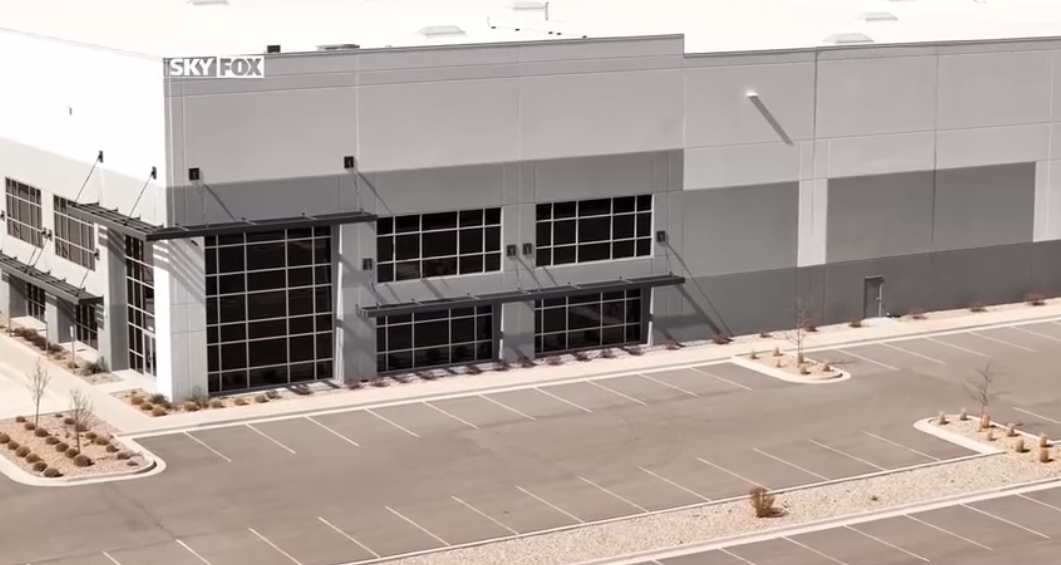
Moreover, those restrictions could impact a possible ICE facility in Salt Lake City. This comes after the Department of Homeland Security had purchased a warehouse to create a detainment facility.
It also comes just days after Salt Lake City Mayor Erin Mendenhall moved the city to stage two water restrictions.
Mayor Mendenhall emphasized the need to conserve water and said in a statement that the possible ICE facility “interferes with those needs. While we lack direct information from the U.S. Department of Homeland Security, a 7,500-person detention facility on our city’s west side would likely use 1-2 million gallons of water per day.”
There wasn’t much discussion from the council as they passed the motions unanimously.