



SALT LAKE CITY — Community backlash against a “bio tower” proposed for Salt Lake City’s Poplar Grove neighborhood has effected change within the project, bringing forth a new design that was unveiled Thursday night in another community meeting.
The internal alarm bells first rang last month for neighbors there when they learned of the 30-foot-tall tower, which officials say is intended to ‘vacuum' up and clean harmful gases within the city’s sewer system.
Officials with the city’s public utilities department made the move in response to feedback from concerned neighbors.
“Your realtor is going to have to explain that - what’s across the street?” said concerned neighbor Alex Ward.
We’ve heard the worried voices of Ward and other neighbors - and Jason Brown has, too.
“One of the things we heard right away from the community was they didn’t want to see a stack or a chimney on top of this,” said Brown, who serves as the deputy director for SLC’s Public Utilities department.
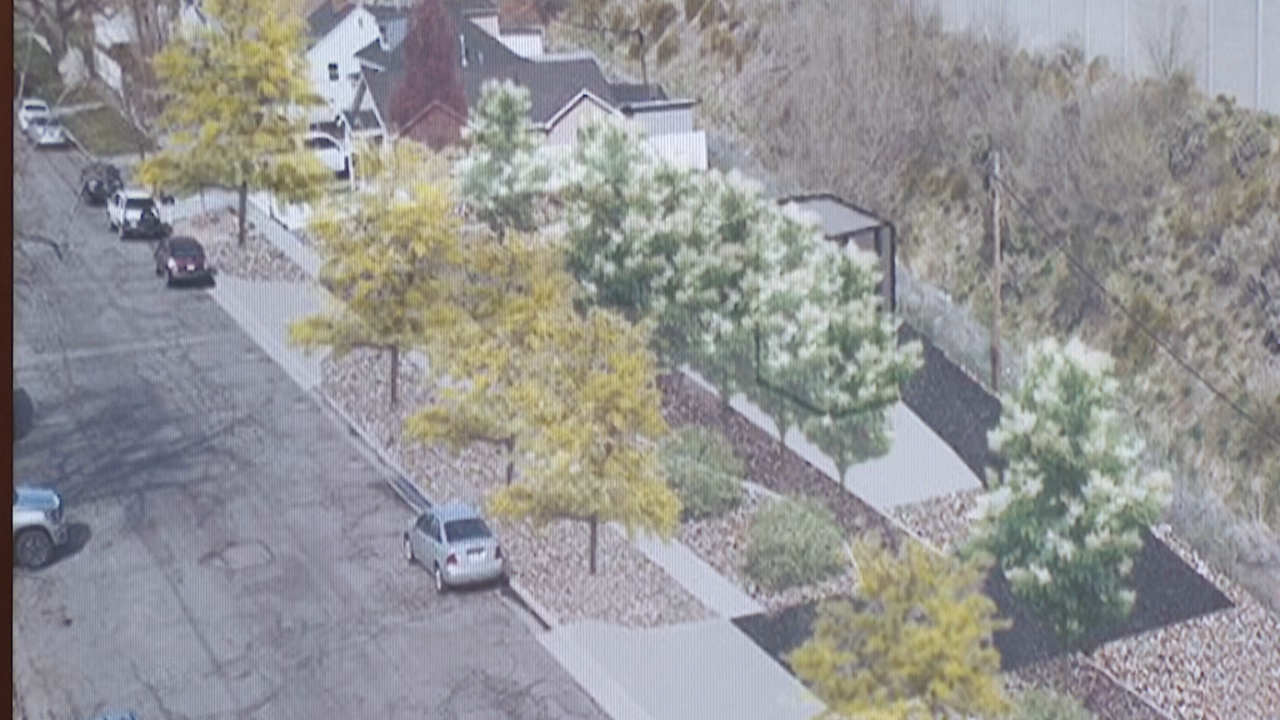
With that feedback and more, they went back to the drawing board with manufacturers. Now, they’ve presented a “bio-filter” design that’s half the height of the initial proposal. It also uses a different technique, swapping out seashells for a “bio-mat.”
“It’s a matrix of plastic that bacteria can grow on; these bacteria pull the sulfur out of the hydrogen sulfide and use it as energy,” Brown explained.
Some residents we spoke with say they welcome this change in design - but they still worry about the end product.
“If you have a car and you take off the exhaust - it’s still a car at the end of the day,” Ward said. “It still functions the same way.”
The new rendering brought new questions, from the potential for green spaces to effects on other aspects of daily life.
“It's tricky because street parking is so limited in that area,” said Jannika Judd, whose family lives in the neighborhood.
Brown says they’re open to those suggestions and more to make it more aesthetic and functional. But he notes the project is essential to cleanse the harmful gases and prevent system failures.
“Because if we leave it in there, what happens is it converts from hydrogen sulfide into sulfuric acid and concentrates on the side of the [sewer] walls and eats the concrete walls down,” said Brown.
The bio-filter is already ordered, so Ward feels all he can do now is wonder what impact there will be.
“Only time will tell,” said Ward. “We don’t really know how [the neighborhood is] going to be affected until years go by, people start trying to sell their houses. I have a feeling it’s gonna be affected somehow - negatively.”
The next discussion to be held on this project is set for January 28, during Poplar Grove's first community council meeting of the new year.
