

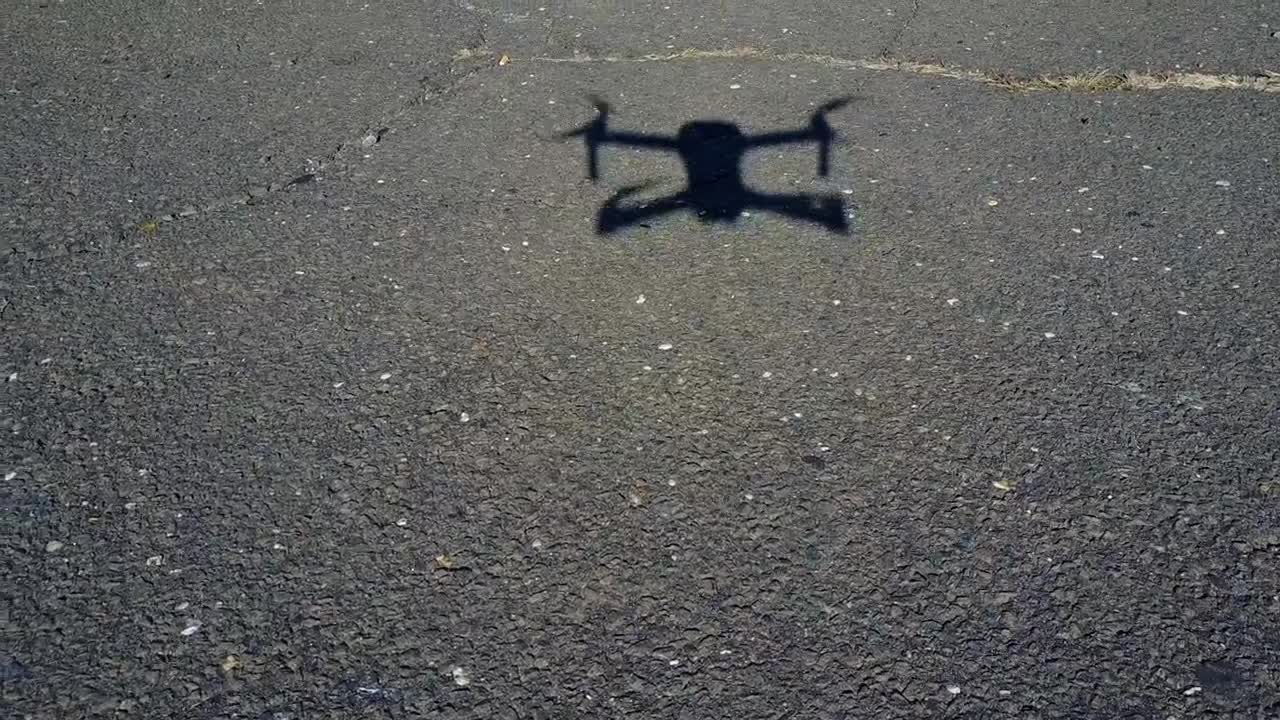


WEST VALLEY CITY — Police responding to a call don’t always know what they’re walking into. Because of those dangers, West Valley City is considering a drone program that could give officers a look at a scene before they arrive.
The West Valley City Police Department is considering a contract with Motorola Solutions to test three types of drones for one year. One could be dispatched directly to calls, another could be carried by trained officers, and a smaller drone could fly indoors during SWAT-type situations.
City officials emphasized during a city meeting this month that the technology is intended for response.
“These are not surveillance drones, but response drones,” West Valley City Police said during the meeting.
Unified Police removes Kearns license plate readers after public backlash:
Salt Lake City police already use drone technology.
Sgt. Greg Wilking with the Salt Lake City Police Department described the technology as “such an eyes-forward tool.”
“It allows officers to see what they’re going into, and coordinate responses for arrests,” Wilking explained.
He added that information gathered by a drone can sometimes change how officers respond once they arrive.
“Our drone gets there and sees that, and the drone pilot realizes the gentleman is experiencing a mental health crisis,” Wilking said, describing one response. “That changed the way our officers approached him.”
But the technology also raises concerns about how and where drones could be used.
David Ferguson, executive director of the Utah Association of Criminal Defense Lawyers, is particularly concerned about drones being flown indoors and how someone in crisis might react to one.
“A situation where a person in crisis reacts terribly to a mechanical device just surprising them out of nowhere,” Ferguson said.
In response to Ferguson’s concerns, the West Valley City Police Department explained that indoor use would be limited to situations where officers are legally allowed to enter, such as with a warrant, consent or during an emergency. In those situations, the department said a small drone could help locate someone inside a structure without placing anyone in unnecessary danger.
Privacy was also raised during the city meeting.
“What about surveillance? It’s a terrible thing, especially in today’s environment,” one city official asked during the meeting.
Police Chief Colleen Jacobs said the camera on a drone dispatched to a call would face upward while the aircraft is traveling and would only descend once it reaches the dispatched scene.
The proposed trial would last one year at no cost to the city. After that, Jacobs said continuing the program would cost about $175,000, with subscriptions renewed over five years.