

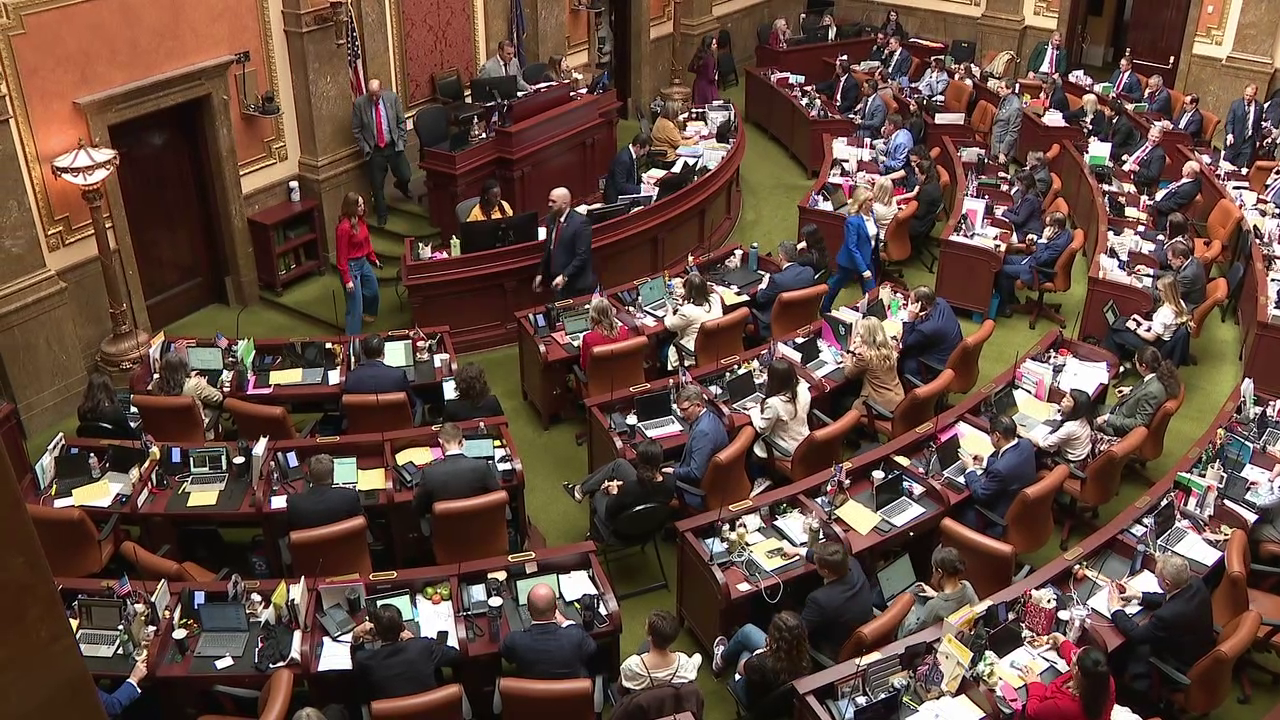


Lawmakers introduced quite a few proposed constitutional amendments. But with the November ballot potentially being crowded with the Utah Republican Party’s citizen ballot initiative to unwind Prop. 4 (independent redistricting), leadership in the legislature decided to scale some of them back.
Still, a proposed constitutional amendment to limit the power of citizen ballot initiatives (in response to Prop. 4) could emerge in a special session. Dubbed “Amendment D 2.0” it would be in response to the Utah Supreme Court ruling upholding the power of citizen ballot initiatives to “alter and reform” government.
Sen. McCay introduced a proposed amendment to have the legislature meet in session on “non-consecutive days.” It got held in committee and never advanced.
Rep. Jason Kyle’s proposed constitutional amendment to change how judges are nominated was introduced, but didn’t advance. Neither did Rep. Walt Brooks’ proposed constitutional amendment changing how judges are retained.
A proposed constitutional amendment to impose term limits for officeholders was introduced, but didn’t go anywhere.
A bill and a proposed amendment to replace the Lt. Governor with an independently-elected Secretary of State to oversee Utah’s election system passed the House, but failed in the Senate.