



SALT LAKE CITY — A University of Utah study has debunked claims that traffic calming delays travel, harms safety and worsens environmental conditions — and some advocates say Salt Lake City needs to take notice.
The report concluded that safer streets are more livable streets, leading to a better quality of life — an area where some believe Salt Lake City falls short.
Julian Jurkoic, a board member with urban advocacy group Sweet Streets, said the findings reinforce what other cities have already proven. "I love the city, but we're not breaking ground here. We're just trying to learn from other cities and that's what the study is doing. It's saying, hey, look at these guys, they've done it right," Jurkoic said.
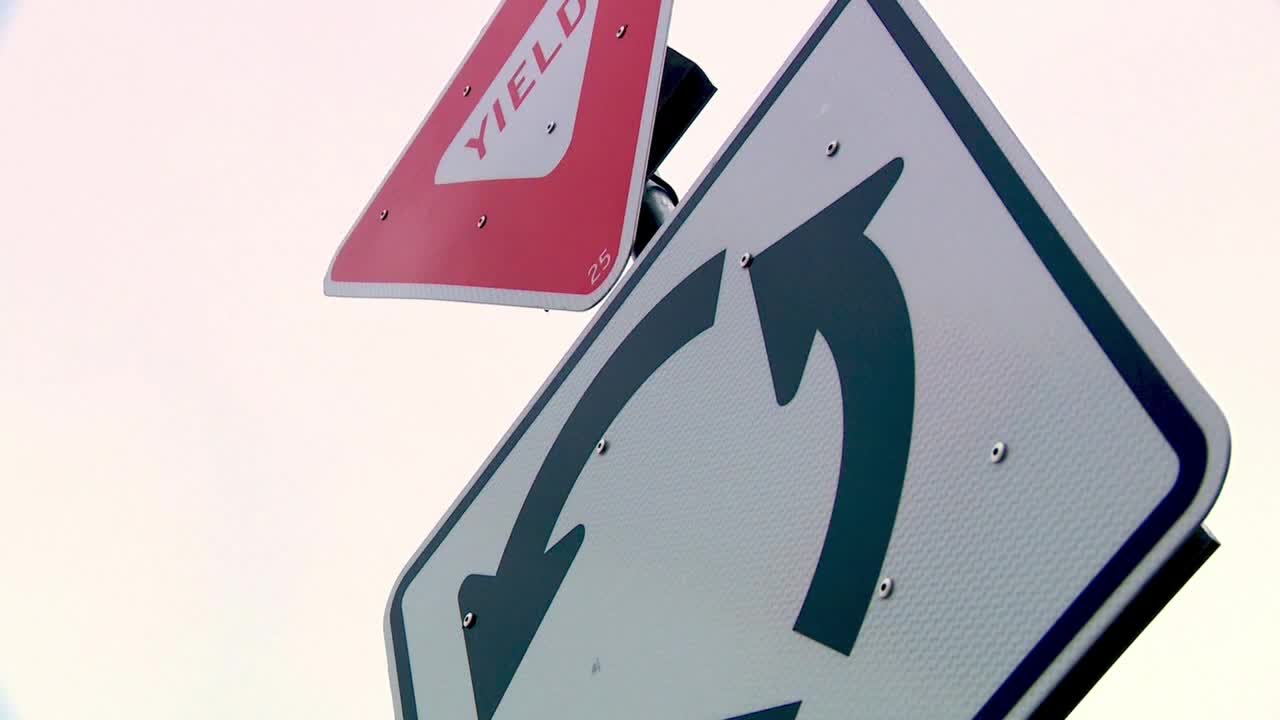
Traffic calming refers to designing roads in a way that naturally encourages drivers to travel at the speed limit. Measures include chicanes, speed bumps, bulb-outs at intersections, roundabouts, narrowed lanes and raised intersections.
Jurkoic said 10 to 15 people die every year on Salt Lake City streets. While these features may add a few seconds to a commute, he said traffic calming measures could help reduce that mortality rate.
"You can look at a city like Oslo or Helsinki where they've implemented this traffic calming. They had zero deaths for the past few years. You were able to reduce that, so the quality of life — we're talking about saving lives first of all. But then, you know, just being outside and walking more, having that micro mobility like a bike or a scooter or just walking," Jurkoic said.
Jurkoic said having safer roads is one of the strongest foundations of a welcoming, accessible community — and that systemic change, not just personal responsibility, is what creates safer streets. "These roads are designed dangerously, right? So it's not say, you know, you go be a better driver, it's, you know, let's design the road to be safer. There, there is a way to do that. We're just not doing it," Jurkoic said.
Safety is also top of mind for seasoned public transit commuters like Thomas Cheney, who regularly rides both the train and a bike in Salt Lake City. "I definitely feel safer on the train," Cheney said.
Cheney said he does not feel unsafe biking or taking public transit, but acknowledges there is always room for improvement. "I also ride a bike and riding the one wheel. I'm interacting with cars and traffic a lot and I have to be very cautious. There, there could be more safety measures," Cheney said.
Still, Cheney said he appreciates the city's existing efforts.
"I do appreciate the things that Salt Lake City does. I think they cater to cyclists and people that use personal electric vehicles and try to make that a safer way to travel. I appreciate that," Cheney said.
You can read the full University of Utah report here.
This story was reported on-air by a journalist and has been converted to this platform with the assistance of AI. Our editorial team verifies all reporting on all platforms for fairness and accuracy.

DRIVEN TO CHANGE
