



SALT LAKE CITY — As kids head back to school, there are several things parents can do to make sure their children start the school year on a healthy note. Dr. Mike Woodruff, executive medical director of Regence BlueCross BlueShield of Utah, shared four tips to help families navigate the transition back to the classroom.
Get back on a sleep schedule
Getting kids back on a consistent sleep schedule is one of the most important things parents can do before school starts, Woodruff said.
"Kids need about nine to 11 hours of sleep a day, which is an amazing amount of sleep," Woodruff said. "It's so key for them to pay attention, to be alert, to learn. It also boosts their immune system, so they don't get sick as often."
Woodruff recommends shifting bedtime 15 minutes earlier every few days, starting at least two weeks before the first day of school, and keeping the same wake-up time on weekends. "Maybe move the bedtime about 15 minutes earlier every night, just so they don't notice a big change, and then by the time school starts, they're in the groove," Woodruff said.
It is never too late to start, Woodruff added, even if school has already begun.
Prep for sports, recess and physical activity
Parents should also help kids ease back into physical activity to avoid injuries, Woodruff said. Children who spent much of the summer sitting or playing video games may be at risk for strains, shin splints and other injuries if they jump into intense activity too quickly.
"If they haven't been exercising heavily or playing their sport all summer, they need to start stretching and start going on walks and getting their body moving and kind of starting slow," Woodruff said.
He also reminded parents that summer weather does not end when summer break does. Limiting outdoor activity during peak midday heat — between 10 a.m. and 4 p.m. — and acclimating children to the heat slowly over 10 to 14 days can help prevent heat-related illness. Consistent hydration throughout the day, not just during practice, is also essential.
Parents should also make sure their child has an up-to-date physical before they begin practicing or trying out for a sport.
Stay current on vaccines
With Utah currently ranked No. 2 in the U.S. for reported measles cases, Woodruff said staying current on vaccines is more important than ever.
Most schools require certain vaccines before the first day of class. Woodruff recommends scheduling an appointment with a pediatrician as soon as possible. "Contact your school office early and say, 'Hey, what's required for my child to start school?' And secondly, get in to see your doctor," Woodruff said. "You can call and say, 'Hey, are all my vaccines up to date?' But you can kind of kill two birds with one stone and get that pre-sports physical as well. But I'd recommend booking that early because it's very popular, high demand at this time of year."
Vaccines are almost always covered by health insurance. For families without coverage, local health departments can help. Woodruff noted that vaccines protect not only individual children, but also classmates who may not be able to get vaccinated due to health conditions.
Build strong hygiene habits
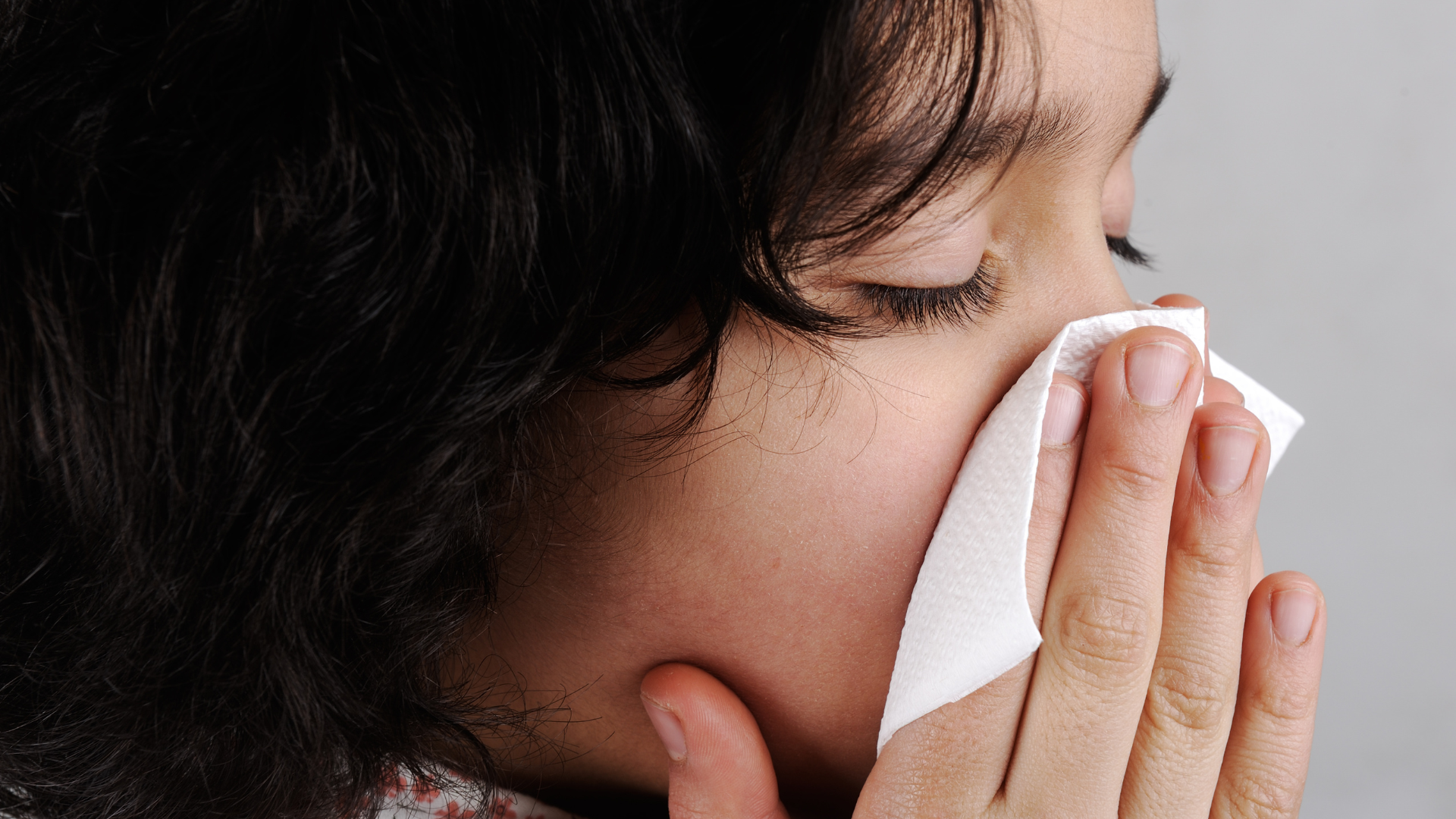
Germs spread quickly in classrooms, and Woodruff said two simple habits can make a big difference: washing hands and coughing into the elbow.
"There are lots of germs going around, and school is the time when the kids get pink eye, when they get hand, foot, and mouth disease, all kinds of RSV, other things that go around in school," Woodruff said. "Wash your hands. Make sure when you're washing them, you're washing long enough. Maybe say the ABCs or sing Happy Birthday with your kid. And then the second thing is covering your cough, and they need to learn how to cough into their elbow, so they're not spreading those germs to their classmates."
Handwashing can reduce the spread of respiratory illness by up to 21%. Kids touch their faces an average of 23 times per hour, making hand hygiene especially important.
Woodruff also recommends using hand sanitizer frequently and avoiding touching the face and mouth, particularly while eating.
"It's really human behavior to touch your face, but that's why increasingly we have hand sanitizer around," Woodruff said. "If we can train people to just hand sanitize frequently and not touch your face and mouth, especially while eating, we'll avoid more illnesses."
This story was reported on-air by a journalist and has been converted to this platform with the assistance of AI. Our editorial team verifies all reporting on all platforms for fairness and accuracy.