


BOX ELDER COUNTY, Utah — The public will not have the opportunity to vote on the proposed data center in Box Elder County after referendum applications filed with the county attorney were denied Thursday.
In a post to the county's website, Box Elder County Attorney Stephen Hadfield said his office had determined that "neither resolution is legally referable to voters. As a result, the referendum applications have been rejected."
The applications had been filed by the Box Elder Accountability Referendum (BEAR) group, and if allowed, would have placed the question of whether to move forward with the massive Stratos Project facility on the November ballot if organizers had gathered the requisite signatures.
BEAR organizers confirmed to FOX 13 News that they would appeal the decision.
“We are not going away. This was our first plan, but it was not our last. We care deeply about this community and will fight to protect it from those who seek to do it harm," said BEAR referendum co-sponsor Brenna Williams.
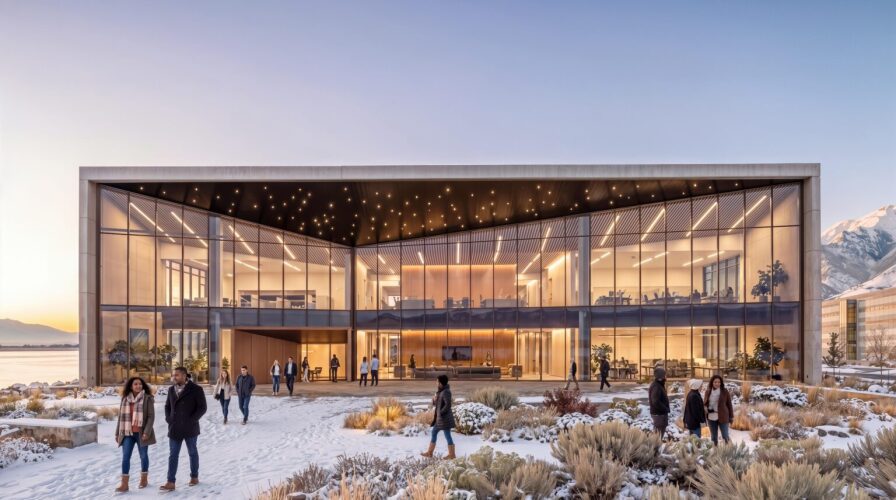
The referendum application filings came after weeks of dispute over the proposed 40,000-acre facility that many fear will cause environmental issues in the rural area of Box Elder County. The project, backed by reality television star Kevin O'Leary, was granted approval by county commissioners on May 4.
Organizers to appeal after public denied chance to vote on data center:
"...because I am obligated to interpret and uphold the law, I am legally bound to reject the applications for referenda of these resolutions. I fully anticipate and appreciate that this will allow referendum sponsors who disagree with my opinion to appeal to the state courts for further guidance and resolution," added Hadfield.
Earlier this week, House Speaker Mike Schultz shared that he had backed the citizen referendums on the project, saying, "This is ultimately a local decision, and I support allowing the community to make that decision based on facts and good information."
“The fight is not over," said referendum co-sponsor Brigette Cottam. "We don’t want the data center here, and we will find a peaceful way to stop it.”
Utah's property rights ombudsman Jordan Cullimore said opponents of the project face significant legal hurdles if they want to challenge it in court.
An important factor is that the 40,000 acres is not only private property — it is also not zoned. Cullimore said the county takes a hands-off regulatory approach to the area.
"But the county has basically, from a policy perspective, said we're not going to regulate this area. People can use it how they want to use it, and so that grants... from a government regulation standpoint, it grants maximum property rights to those property owners in those cases," he explained.
Cullimore added that BEAR can file a lawsuit with the Utah Supreme Court, but they may not get very far.
"At that point, the way you would challenge an administrative item is you'd go to court, and you'd have to show that the decision was in some way arbitrary, capricious, or illegal," said Cullimore. "So it wasn't based upon good evidence if they're making factual determinations or it, it violates some specific legal provision in state law or some other governing law."
A portion of this article was written with the assistance of AI. Our editorial team verifies all reporting on all platforms for fairness and accuracy.