

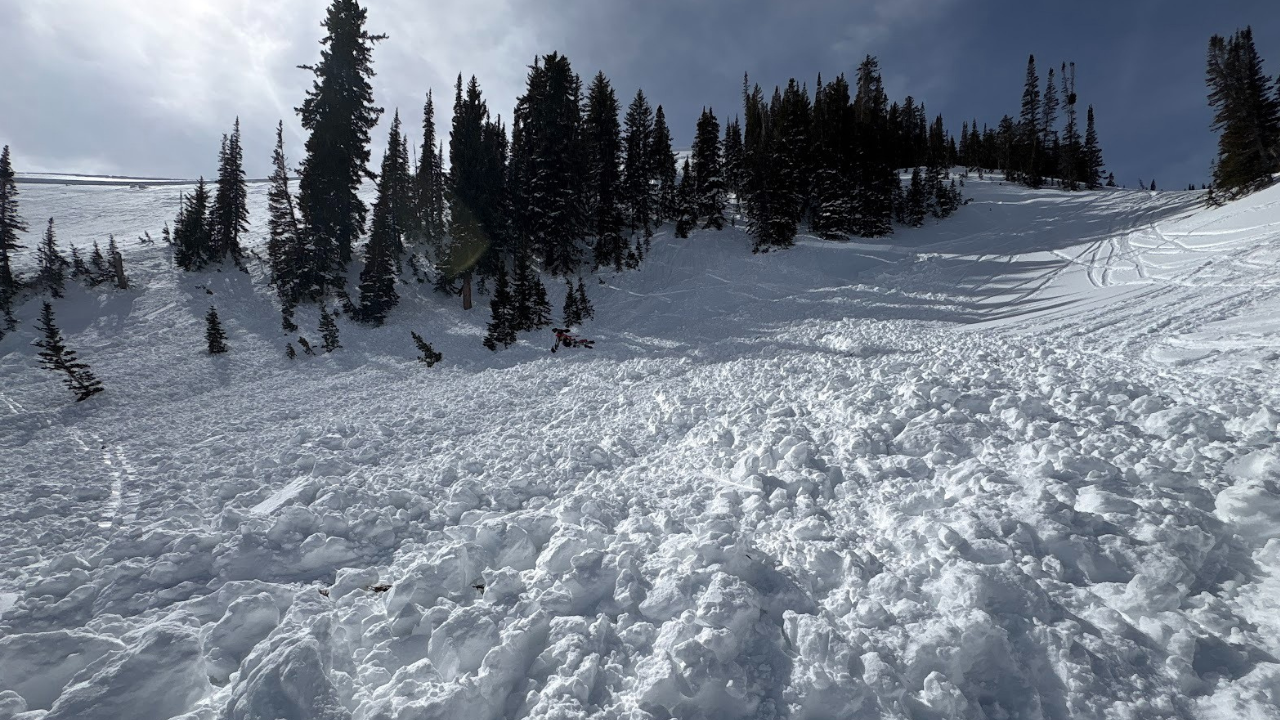

The most recent of four avalanche deaths in northern Utah this season shows how dangerous conditions truly are, even for the most experienced and well-equipped adventurers.
Following each death over the last few weeks, officials have warned those heading into the backcountry to be prepared and equipped with proper gear, but even following that advice does not guarantee avalanche safety.
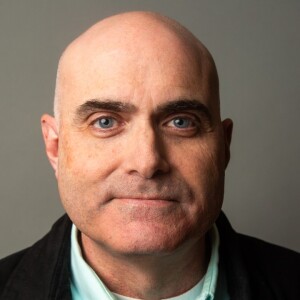
On February 22, Brian O'Keefe, known to his friends as Keith, was with a group of seven snowbikers, all of whom had extensive backcountry experience on the vehicles and skis, according to a new Utah Avalanche Center report.
O'Keefe and his group met at the Guardsman Pass trailhead in Big Cottonwood Canyon before heading out into the Caribou Basin, with each rider carrying an avalanche transceiver, probe shovel, and avalanche airbag. The group knew of the conditions and that the avalanche danger was rated "Considerable."
Despite being equipped with transceivers, the group did not perform a check beforehand to make sure everyone was transmitting before heading out into the backcountry.
The group observed multiple avalanches during their ride, and at one point, had to help one rider who had become stuck in deep snow.
After avalanche death, family asks for donations for backcountry rescuers:
"...[the group] noted how loose and sugary the underlying layers were below the upper snowpack," the report said. "They knew that this weak layer was responsible for all the recent avalanches in the area they had observed, and they confirmed their decision to stay off steep terrain."
While taking a break near the end of their day, some of the riding group noted that the day was "euphoric," and that the "fresh powder was phenomenal." The decision was made to ride around the basin one more time before heading back. After regrouping following the last ride, they noticed O'Keefe was missing, leading the group to backtrack in hopes of finding him.
During their search, the group spotted a new avalanche in the area where they were previously riding, and called 911 before starting a transceiver search for O'Keefe. While searching the avalanche site, members discovered O'Keefe's snowbike but were unable to pick up a transceiver signal.
"Members of the group began spot-probing the area near the bike. The group continued searching for a transceiver signal but never found one," the report said.

Multiple search and rescue crews responded to the area, but were forced to call off their search as it became dark. It wasn't until the next morning that O'Keefe's body was found by an avalanche dog buried under two feet of snow and recovered by crews.
According to the Utah Avalanche Center, O'Keefe was wearing his transceiver, but it was not turned on, and his avalanche airbag was armed but had not been deployed.
At the end of the report, the center offered its key takeaways on the avalanche death:
- Before leaving the trailhead for the day, it is important to ensure that everyone in the group is wearing an avalanche transceiver, that they have turned it on, have adequate battery life to perform a search, and know how to use it. In this accident, the party ensured everyone had the equipment, but did not check that each transceiver was transmitting a signal before leaving the trailhead.
- It is common when recreating on snow machines for groups to split up and ride in their own area before regrouping. When a group is riding near or in avalanche terrain, group members should maintain visual contact even when spread out. This ensures that if someone is caught, you can begin the search exactly where you last saw the person in the avalanche.
Following O'Keefe's death, his family set up a GoFundMe page to raise funds for the rescue crews who helped locate his body. Wasatch Backcountry Rescue is made up of ski patrollers who volunteer their off-hours to life-saving operations in the backcountry.
"You just don't think it can happen to someone that's so calculated," shared O'Keefe's brother, Brent, "and unfortunately, it was our reality that he wasn't coming back."
