



SALT LAKE CITY — Harry Bert can spend three days carving a piece of cottonwood root. The material itself is part of the story.
Bert, who is Navajo and Hopi, said he uses the root of a cottonwood tree because of its relationship to water. In the dry landscape he describes, the tree’s roots reach for moisture beneath the ground.
“We need water just to survive,” he said.
At the Rebalancing Culture Harvest Arts Market, Bert showed visitors carvings inspired by stories his grandmother told him. He pointed out details that represented the four directions, the four seasons and the four ages of life. Other markings, he said, represented the snow and rain that help corn grow.
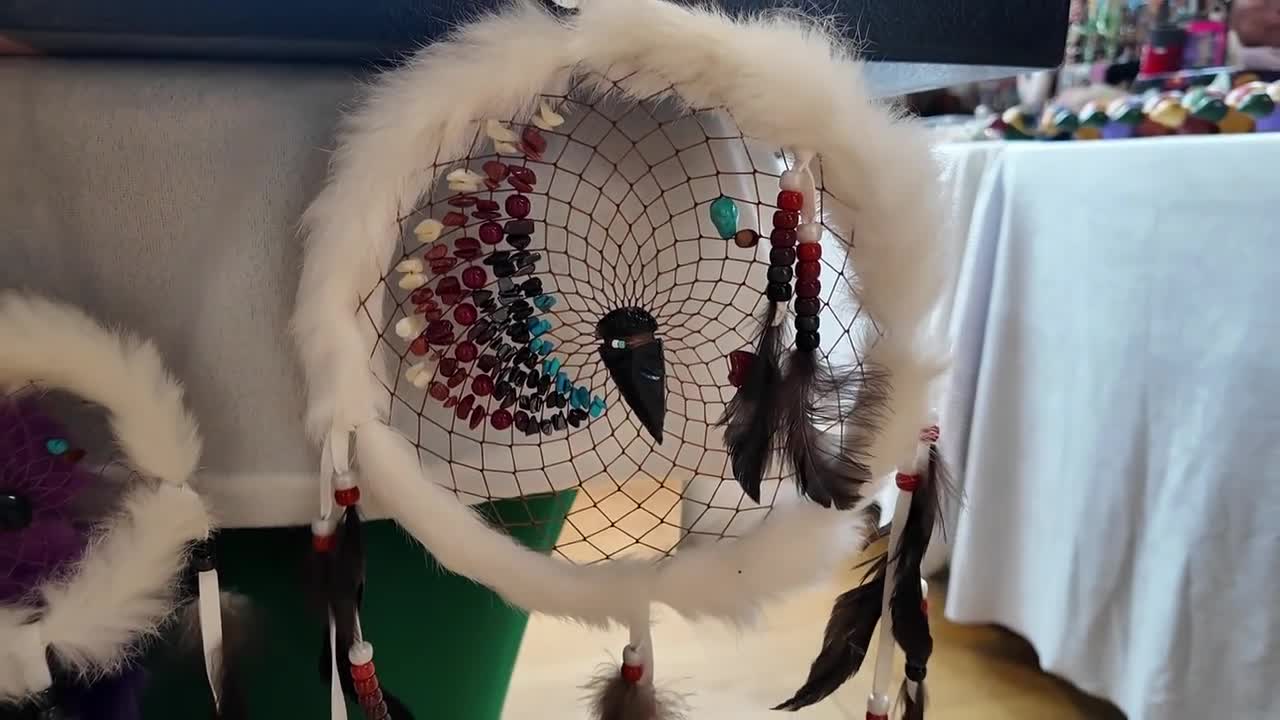
The weekend market at the Urban Indian Center of Salt Lake brought together Native artists working in different forms, from pottery and carvings to jewelry and handmade figures. As visitors stopped at their tables, the artists could explain the choices and experiences behind their work.
Renee Webb Harrison creates small figures of Navajo men and women, adding clothing, jewelry and scarves like those she sees elders wear. She began making them after finding a magazine craft project that used clothespins to create holiday characters.
“I just put on the Navajo outfit on it and it looked great," she said.
What began as a hobby has continued for nearly a decade. Renee, a former employee of the Urban Indian Center, said she first made the figures for staff members there.
Her relationship with her culture has grown over time, too. Renee said she was raised in boarding schools and the placement program and did not learn much about Navajo culture as a child. After she married and lived on the Navajo reservation, her husband’s family helped her learn more through their language and traditions.
“I would like to know more,” she said, adding that being around Native people and spending time at the center has helped her.
Another Navajo artist at the market, Laquina Kaufman, showed visitors ornaments made from white clay and horsehair, as well as hand-painted designs. Originally from Arizona and now living in Taylorsville, she said her mother taught her to make art. She is now teaching her children, and her daughter makes some of the work displayed at their table.
“I just love the creation of all the design,” she said. “There’s always a story behind our design.”
For Lois Sanchez, making jewelry became a new pursuit after retirement. The Navajo artist said she has been working on it for about five years, following other interests that have included roping, riding motorcycles and hunting.
Sanchez grew up in a family of eight children. She said her parents taught them different ways to support themselves, grow food and build things.
“I like working with my hands,” she said.
Among her pieces was jewelry featuring a horned toad, which she said can represent power and luck. She also spoke about the appeal of working with stones and their connection to nature.
Hopi artist Randy Tippu brought wooden feathers decorated with clouds, lightning and rain. He said those images reflect the importance of moisture to Hopi dry farmers.
He learned to paint with his father when he was about 5 or 6. Now 64, he said he feels an obligation to keep creating and to encourage young artists, whether they are Hopi, Native American or anyone else who wants to make art.
One lesson from his father has stayed with him: Make the work with happiness because it may eventually belong to someone facing difficulties of their own.
“Put happy things into it to make their home happy,” he said.
At the market, those pieces carried more than color and design. They carried stories, lessons and memories that the artists could share with the people who stopped to listen.