

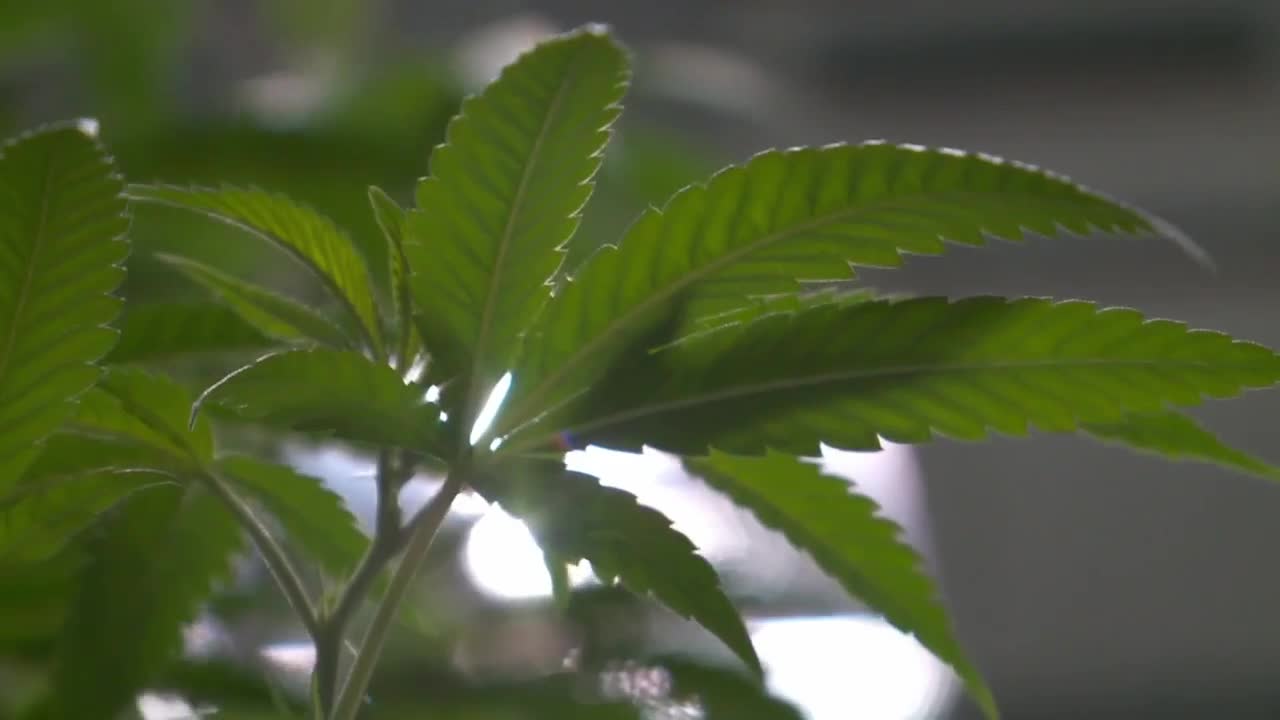


SALT LAKE CITY — “Yes, it’s legal” — that’s the message organizers emphasized at a 4/20 festival in Salt Lake City.
Multiple vendors, musicians, and community members gathered to celebrate in this two-day festival, one that the organizers say is often misunderstood.
“This is not your typical stigma 4/20 festival,” said Narith Panh with Dragonfly Wellness Center. “It’s about community, it’s about artists, it’s about coming together and making a happier, healthier community.”
Panh works with Dragonfly Wellness Center, located on 700 South and State Street, which hosted the event to mark six years since medical cannabis became legal in Utah.
“Legal medical cannabis is still surreal to every single one of us,” Panh said. “Six years ago, everybody that was sitting here was considered a criminal.”
WATCH: Utah's medical cannabis program hits a new high
Utah voters approved medical marijuana through Proposition 2 in 2018, a measure that sparked significant controversy. After lawmakers made changes, the program moved forward, and cannabis has been legal for medical use with a state-issued card ever since.
“It gives dignity and respect to people who’ve been hiding in the dark for decades,” Panh added.
The event also featured local musicians, including Mike Styles, a U.S. Air Force veteran, who said cannabis has helped him manage both physical and mental health challenges.
“I struggle with depression, anxiety… Cannabis was able to help me calm those nerves and manage my mood,” Styles said. “I’m a disabled veteran with back, neck, and knee problems. It helps manage pain in a natural way if you don’t want to take an opioid. Marijuana is an alternative to that.”

Politics
2026 Utah legislature on cannabis, psychedelics and kratom
For some families, the impact is even more personal.
Nanette Bereznyy said her 8-year-old son Maxsin has had a medical cannabis card since the program began.
“It really helped with his sleep, which was a big problem,” she said. “It helped him calm down, regulate, and improve his speech. He was nonverbal and self-harming, and he doesn’t really struggle with those things now. He’s in a neurotypical second-grade classroom.”
Bereznyy now advocates for other families through the Utah Patients Coalition.
“It’s what drives me to help other patients have access to the same medicine that we do,” she said.
Despite progress, organizers say stigma still lingers.
“People fear what they don’t know,” Panh said. “Even after six years, I still have people ask me, ‘You work in medical cannabis in Utah — it’s legal?’”
Organizers hope that continued education and events like this will help change perceptions moving forward.
