


CEDAR CITY, Utah — There's been no shortage of cyber threat-related news lately.
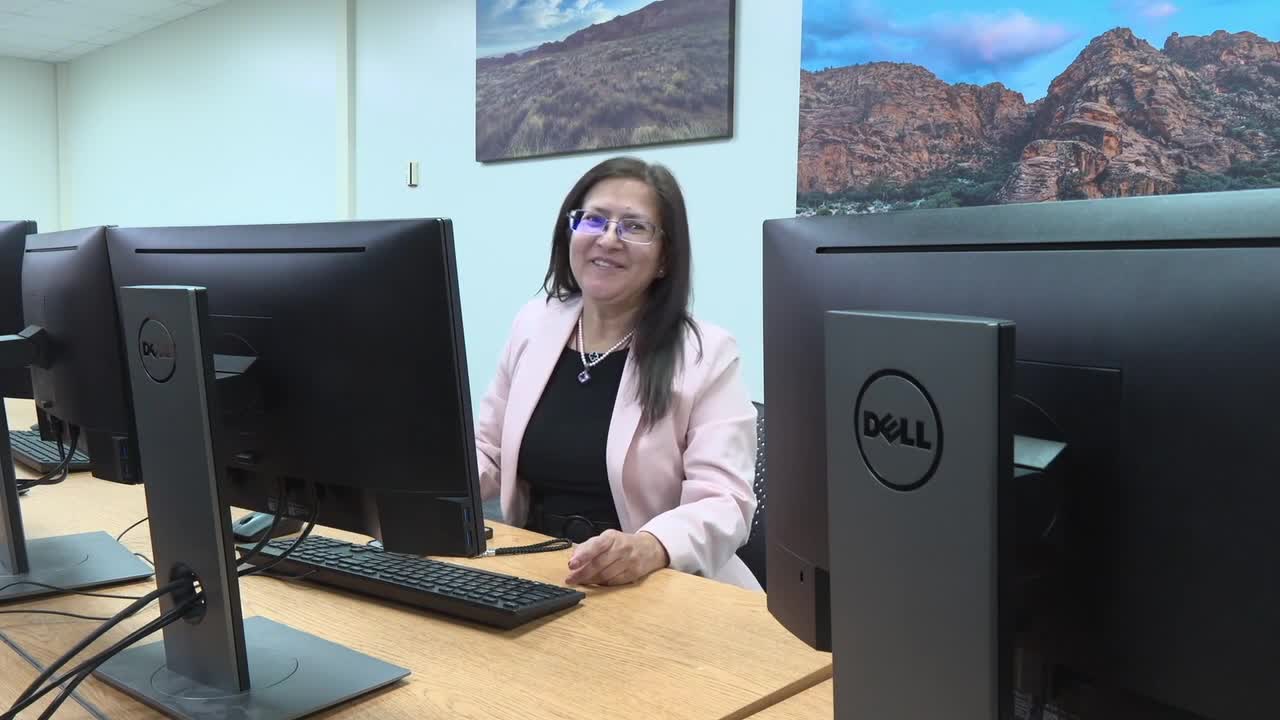
"We are just playing 'catch me if you can.' The technology is moving so fast, by the time you figure out a problem, another problem comes," said professor Shalini Kesar at Southern Utah University.
Security takes many forms, but here at Southern Utah University, in the wake of recent headlines involving cybersecurity, it's having a big impact on educators and students.
"It validates that we have to have more talent in cybersecurity," Kesar said.
Fresh off a cybersecurity conference in Arizona with her students, Kesar, who has decades of experience in the field, is trying to take real-world experiences and help better educate her students.
"This just happened five minutes ago, and we've got to work on this," Kesar said.
From the nationwide ground stop to email, banks and more — before she can teach, she has to get students to trust amid waning confidence.
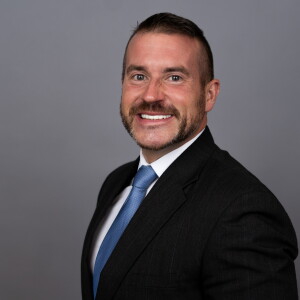
"With AI and everything like that coming out, it's definitely a lot lower than it used to be," said freshman Austin Pira.
Kesar said she also has to dispel myths around the world of cybersecurity.
"It's creative. People don't think about that, right? They think of that hoodie sitting in a dark room; that is a myth. I want them to get rid of that," she said.
And when it comes to security, it can be something as simple as a lock on a classroom door or a multi-authentication password that gets you into a computer.
"It's a lot to carry, and we need to focus on that a lot more and make sure that is functioning," Pira said.
Kesar is currently teaching graduate students working in Southern Utah and around the globe, on the front lines of the cyber battle.
"They are part of this chaos that is happening," she explained. "We have students that miss an assignment or optional Zoom meeting because they're dealing with this."
She says it's a challenge cutting through the chaos — like a mesh of multi-colored computer cables.
"What I taught in August — next week, it didn't exist," she said.
She says the problems aren't going away, and that those in the field and those wanting to be need to adapt, especially with artificial intelligence.
"Critical thinking; that's what AI is not going to do — at least not in my life time," Kesar said.