

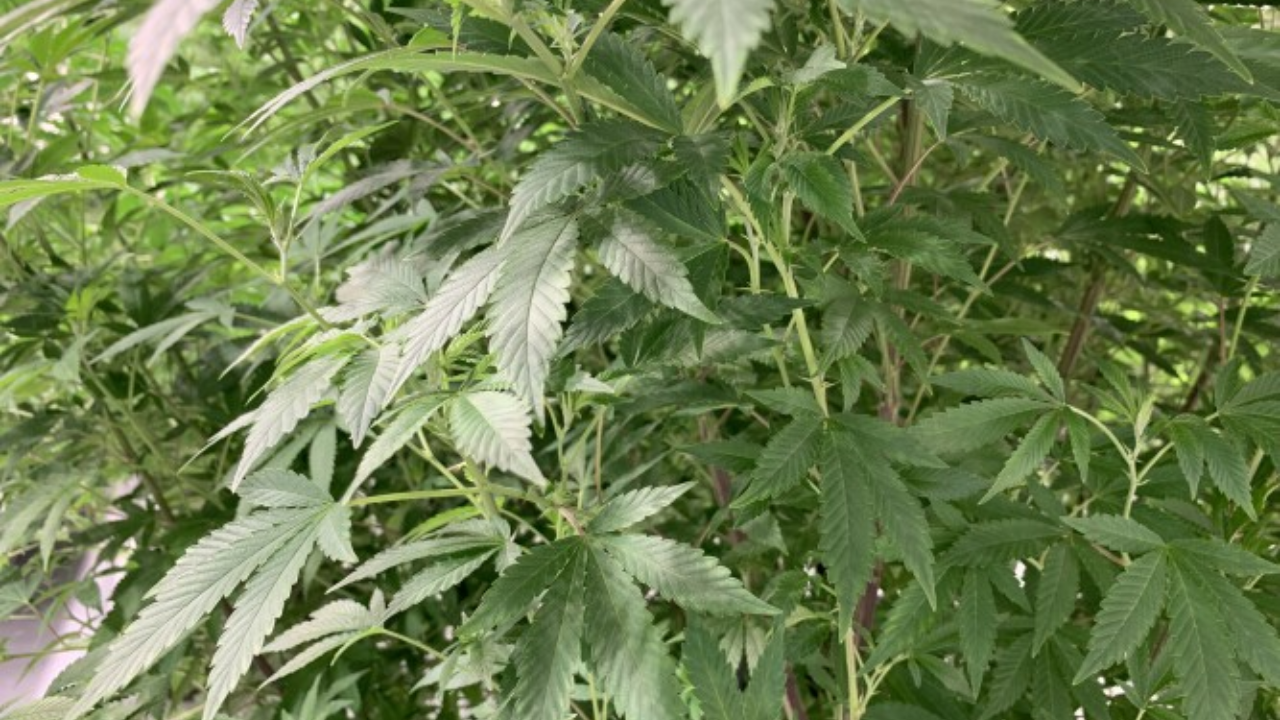


SALT LAKE CITY — Earlier this week, acting U.S. Attorney General Todd Blanche announced the Justice Department will reclassify marijuana as a Schedule III rather than a Schedule I.
The move shifts marijuana in the eyes of federal prosecutors.
A Schedule I classification means there is no accepted medical use, a high potential for abuse, and cannabis businesses receive none of the normal business tax benefits. Meanwhile, Schedule III accepts medical use in states that allow it and indicates the potential for abuse is low or moderate.
The change means tax relief for businesses, which could lower prices. It also allows researchers access to cannabis for research that has previously been difficult or impossible to conduct.
Utah medical cannabis patients celebrate Schedule 3 classification:
However, Utah law does not change. Recreational marijuana remains illegal in Utah, and local law enforcement continues to enforce those laws.
Recreational use also remains a federal crime, though enforcement has changed dramatically. Federally, prosecutions for marijuana trafficking plummeted 58% from 2020 to 2024, the latest year with updated FBI numbers.
Utah arrests tell a different story. From 2018 to 2024, arrest rates have fluctuated, but data show thousands of arrests for simple possession.
While an executive order does not change federal law, making the shift temporary in that sense, the biggest practical federal change happened in 2015. For 11 years, Congress has mandated that the Department of Justice cannot use funding to prosecute marijuana offenses that are not considered offenses in the states where they happen.