



DRAPER, Utah — Students, teachers and volunteers at Juan Diego Catholic High School are rolling up their sleeves to build a new garden that will soon grow fresh food for the school cafeteria, all while giving students a hands-on lesson in science, sustainability and self-sufficiency.
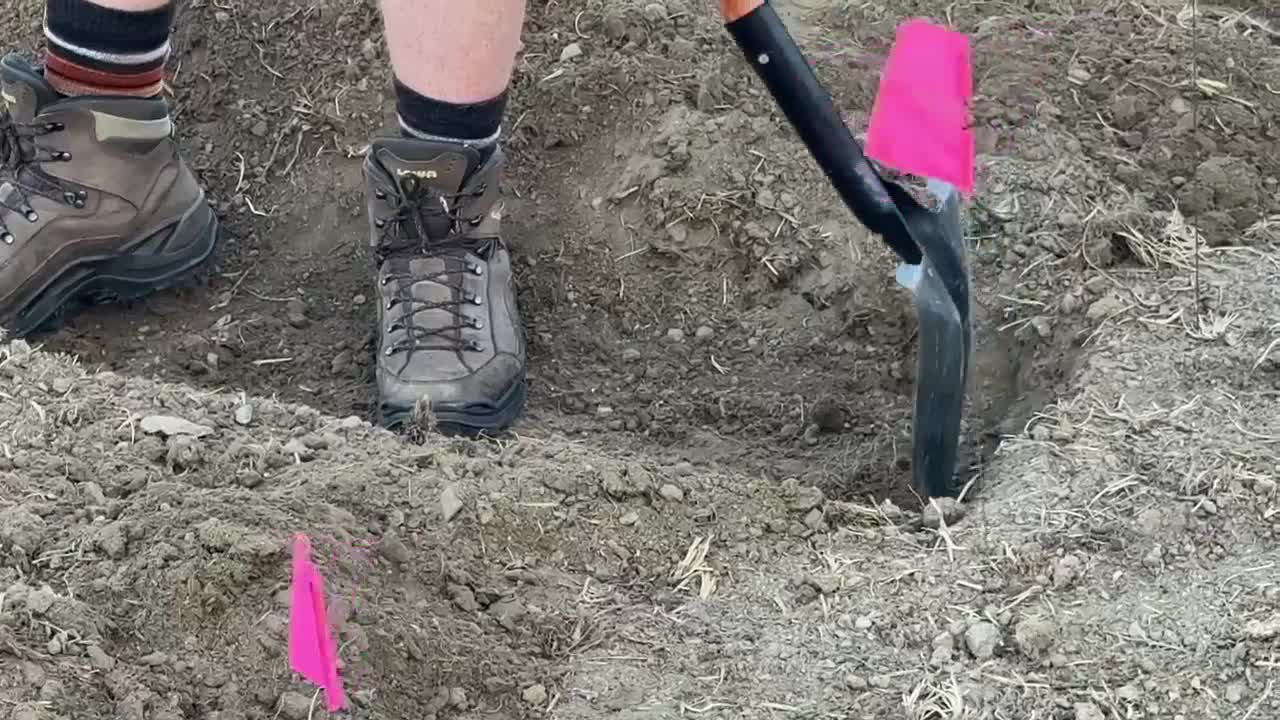
The Farm to Table initiative got underway Saturday as volunteers worked together to build planter boxes, prepare the soil and lay out garden plots at the Skaggs Catholic Center near 118th South in Draper.
For seventh-grader Ryker Wilkin, the work is already exciting. He spent his Saturday morning helping till the soil and prepare rows for future planting.
And what does he hope to grow?
“Tomatoes,” he said.
The project is designed to take learning beyond the classroom. Sydney Johnson, a seventh-grade science teacher at St. John the Baptist Middle School, is leading the effort to create an outdoor classroom where students can learn about agriculture firsthand.
Students will have opportunities to study soil, analyze nutrients and learn what different plants need to grow. Organizers also hope the garden will eventually provide fresh produce for the school cafeteria.
Volunteer Chris Lentz said he hopes students will come away with a greater appreciation for hard work and the value of becoming more self-sufficient.
The initiative also builds on a gardening tradition already established within the school community.
For the past 15 years, Monica Bathurst and Sister Celine Dounies have helped nurture the garden at St. John the Baptist Elementary School, where students have learned to grow their own food and enjoy the results of their work.
Bathurst said the elementary garden has been a community effort, with students discovering the excitement of watching something they planted grow into food they can eat.
Now, organizers hope to expand that experience for older students, giving them a larger space and new opportunities to explore gardening and sustainable agriculture.
The effort also reflects Draper's agricultural roots. Before the city's rapid growth, farming was a central part of the community's identity — a history organizers hope students will better understand through the project.
As volunteers measured plots, hammered stakes into the ground and prepared the garden beds, the goal was clear: work together now and begin planting seeds for a spring harvest.
Organizers hope the experience will give students the confidence to garden in the future, while teaching them where their food comes from and what it takes to grow it.
For the students helping build the garden, the project is about more than planting vegetables. It's an opportunity to learn by doing, take pride in their work and grow something together.