



SALT LAKE CITY — The ongoing drought has people in Utah trying new things to make sure they can still farm or garden this year, including Wasatch Community Gardens, where they’re trying dry farming.
The process starts with the question of what really makes a plant great? The soil? The leaves? In Utah, it’s their resilience.
Giles Larsen is the garden's Education Program Director and has been studying how to grow food without needing irrigation after planting.
“There are certain varieties that are just tough. They shoot those root downs fast and access whatever moisture is being stored in the soil, even if the surface of the soil looks dry," Larsen explained.
This is the second year that Wasatch Community Gardens has tried the dry farming method. Last year, about 80 percent of their trial crops died, but the 20 percent that survived put on new growth, flowered, and fruited.
They’re still figuring out what works.
“Get your plants in the ground sooner and established sooner so they’re accessing that water," Larsen explained, "then when things get hot, they’re ready for the long haul."
Salt Lake gardeners look for drought-friendly ways to plant this season:
But for most people, just being more water-wise is a good start.
“It’s important to remember that resources are limited and that we all get a little share of those resources. The more conservative and judicious we are with those resources, the more there are to go around," said James Loomis, Director of Agricultural Operations, Wasatch Community Gardens.
At their annual spring plant sale, the garden will have varieties they breed and grow for those who want to conserve water, but still plant. As for the community garden itself, the staff already uses water-wise practices, so the drought hasn’t hit them too hard.
“I feel like we had a little more winter in April than we did in January, so being a grower who has been growing here for decades, a lot of us are ready for that, and we’re rolling with the punches," Loomis said.
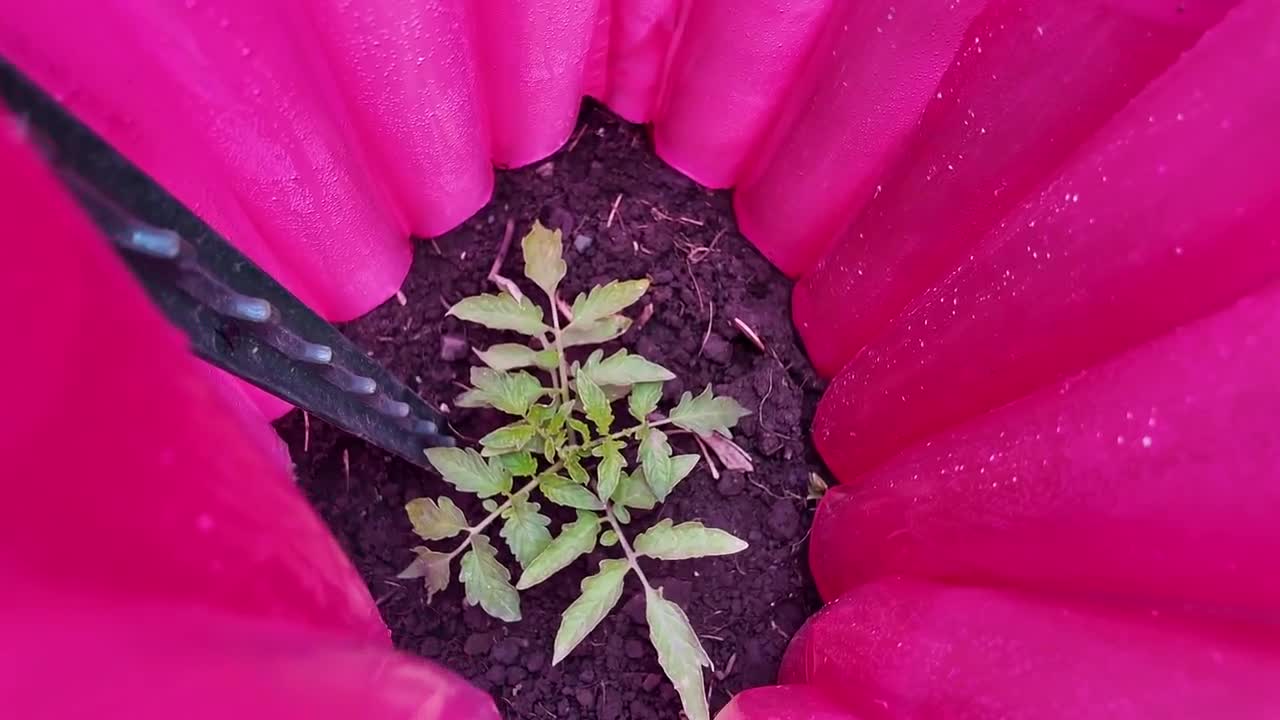
At the dry farming trial site, the garden has tomatoes and potatoes surrounded by water-filled plastic to protect them from changing weather conditions, as staff keep an eye on the temperature and the amount of water underground.
“Gardening has always been a difficult game," admitted Larsen.
However, those at the garden say it’s not about reinventing the wheel for farming; instead, it's coming up with innovative ways to save.