

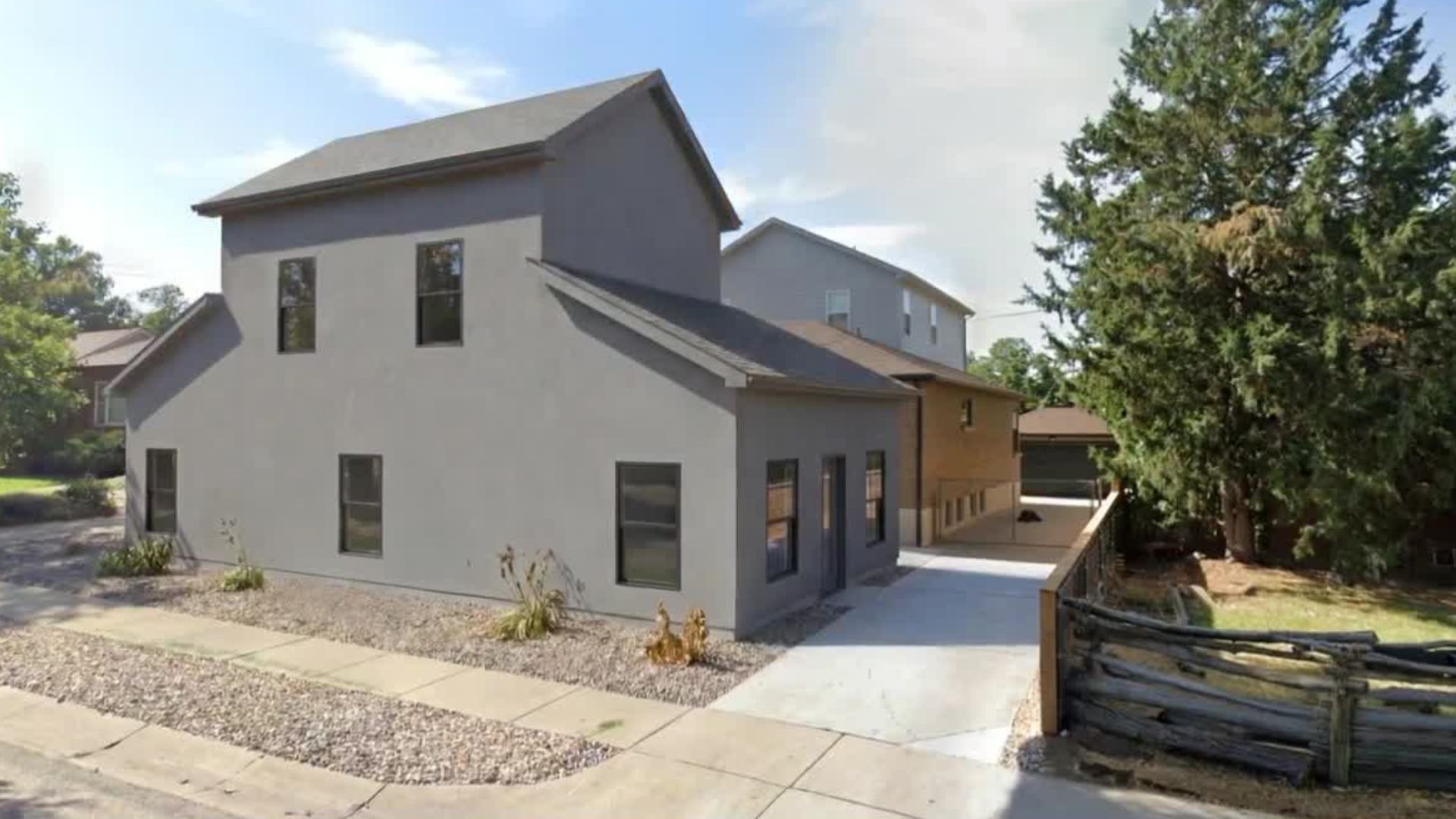


SALT LAKE CITY — A neighborhood fight over 24 proposed homes in Glendale is opening a broader debate over what could be built across much of Salt Lake City and whether neighbors would have a say.
Last week, Ross Whitaker showed FOX 13 News three Glendale parcels where a developer is seeking a rezone to build roughly 24 for-sale homes. More than 700 people have signed a petition opposing the change, citing concerns about parking, utilities, and the neighborhood’s character.
WATCH: Neighbors fear proposed rezone could change character of this SLC neighborhood
After the story aired, Glendale resident Turner Bitton contacted FOX 13 with another perspective.
Bitton, founding executive director of Wasatch Advocates for Livable Communities, said families are leaving Glendale because the neighborhood lacks housing between older single-family homes and large apartment complexes.
“Families are choosing to relocate to other places like Kearns or Tooele because, quite frankly, they’re simply priced out,” Bitton said.
He said duplexes, townhomes and other “missing middle” housing could provide more attainable options for families who want to remain in Glendale.
“If we’re building only single-family homes, those homes are going to be priced at $600,000 to $700,000, which most people in this neighborhood can’t afford,” Bitton said.
The Glendale development requires a property-specific rezone, public notice, and a hearing. A separate citywide proposal, however, could allow additional housing without that same process for every project.
Salt Lake City’s Expanding Housing Options proposal would change development rules across 77% of the city’s residentially zoned land.
The proposal would generally require 2,000 square feet of lot area for each dwelling. If an existing residential structure is preserved, the property could receive one additional unit not subject to the minimum lot-area requirement.
Peter Wetzel, a former commercial contractor and member of the Neighborhood Housing Alliance, described the Glendale project as an extreme version of the citywide proposal.
“It’s similar to what’s going on here, but ... it’s on steroids,” Wetzel said.
His group created animations showing a small existing home flanked by new multi-unit buildings. City planners said they have not reviewed the animations and could not determine whether they accurately reflect the current proposal.
Wetzel’s primary concern is that qualifying projects would be permitted “by right,” meaning they would not require an individual rezone.
“You go into the city, get a permit, with no notification of the neighbors,” Wetzel said.
In a written response to FOX 13, city planners confirmed that individual projects meeting the proposed standards would not require public notice or a public hearing. The homes would also not have to meet affordability or owner-occupancy requirements.
City planners said the goal is to create “gentle infill” and give property owners more flexibility, including the ability to add a second unit, create space to age in place, build starter homes for future generations, or leave their property unchanged.
The proposal would require one off-street parking space per dwelling. The city said limits on building size, height and setbacks are intended to help new construction fit into existing low-density neighborhoods.
For Bitton, the proposal could create more ways for families to remain in Salt Lake City. For Wetzel, it could allow too much change without giving surrounding neighbors a voice in individual projects.
Expanding Housing Options is tentatively scheduled for a Salt Lake City Planning Commission public hearing on Sept. 9. The commission will make a recommendation, but the Salt Lake City Council will have the final say.