



PARK CITY, Utah — Gathered on a deck overlooking the Deer Valley ski resort, the governors of numerous western states touted a bipartisan agreement to work together on energy transmission projects and push for permitting reform.
"I think being able to lead that from the state level allows us to get more things done," Wyoming Governor Mark Gordon told reporters on Tuesday.
Some of the projects include upgrades to the existing power line infrastructure, said Utah's own Governor Spencer Cox.
"Unfortunately, here in the West, like much of the country, our current power system was constructed over 60 years ago," he said. "These transmission lines and systems are aging and expanding too slowly and inefficiently to meet the demands and goals of today."
The energy transmission agreement was pushed by Gov. Cox, who chairs the Western Governors Association. He has pushed an "all of the above" approach to energy in Utah, ranging from fossil fuel to renewable sources and, most recently, nuclear power.
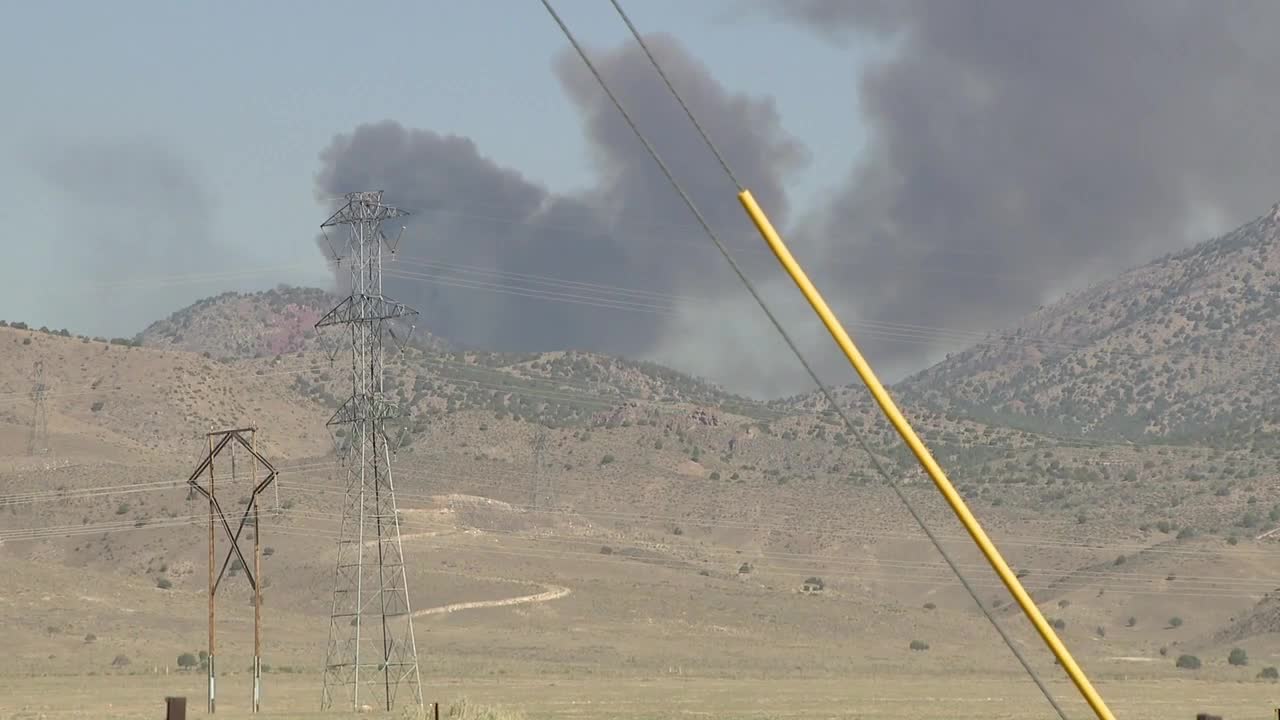
Upgrades to the West's electric grid can also help prevent wildfires. Over the weekend, Rocky Mountain Power shut off electricity in southern Utah because of strong winds and extreme fire danger.
The wildfires burning in Utah and surrounding states was top of mind for the governors. Gov. Cox confirmed they did discuss ways the states can work together on wildfires.
"We’ve been talking about new technologies that different states are using, how we can employ technologies to find fires faster, respond more quickly and get those fires out," Gov. Cox said. "We’ve been talking about forest management, we’ve been talking about what to do after the fires have burned. We have states like New Mexico and Colorado that are growing trees that can be re-planted."
Colorado Governor Jared Polis said they also met with federal officials who are attending Western Governors Association meetings.
"Given that much of the fire activity is on federal land, there’s federal resources that are brought to bear and there’s reconfiguration of structure at the federal level," he said. "So these are relevant federal discussions in the here and now and to plan for the future as well."
The governors also reached bipartisan agreements on issues like agriculture, broadband communication, support for veterans and missing and murdered Indigenous people.