


Summer means more time outdoors — and more trips to the emergency room. But Dr. Michael Woodruff of Regence Blue Cross Blue Shield says most warm-weather injuries are entirely avoidable.
"Most injuries that happen during the summer are preventable with a little planning and a little common sense," Woodruff said.
With more free time, people are mountain biking, riding motor sports, boating, and jumping into rivers, lakes, streams, and pools — all activities that carry real risks. Woodruff says the right gear makes a significant difference.
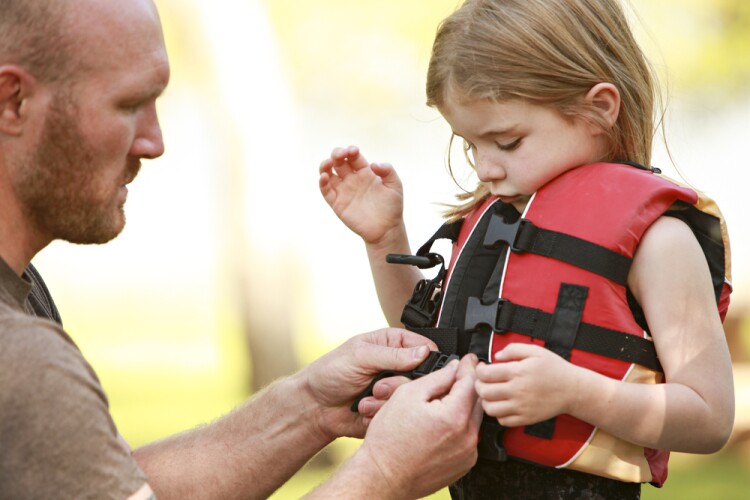
Wearing a helmet can reduce the risk of a serious head injury by about 70%, he said. Life jackets are equally critical near the water.
"Most drownings, people weren't wearing a life jacket, and a life jacket is designed to keep you upright and breathing, even if you hit your head and you get knocked out," Woodruff said. "So it doesn't matter how good a swimmer you are, if the water's too cold, if you hit your head, you have a risk of drowning."
Woodruff recommends treating helmets and life jackets the same way families treat seatbelts — as a non-negotiable rule before any activity begins.
Peer pressure also plays a role in summer injuries. Woodruff points to situations like cliff jumping, where someone may not be a strong swimmer but feels pressure to participate because friends are doing it.
Alcohol is another major factor. Woodruff said it is involved in most adult drownings.
"It impacts your balance, your reaction time, and it makes you think you can do things that you shouldn't do," Woodruff said. "I think of it like you're going to the store and you take the air out of two of the tires on your car. You might make it there. It's not going to be pretty, and there's a risk of injury."
Alcohol also compounds the dangers of heat and sun exposure by accelerating dehydration. Woodruff advises staying hydrated, wearing sunscreen, and considering sun shirts with hoods for added protection.
"Summer should be for fun. It shouldn't be for going to the ER," Woodruff said.