

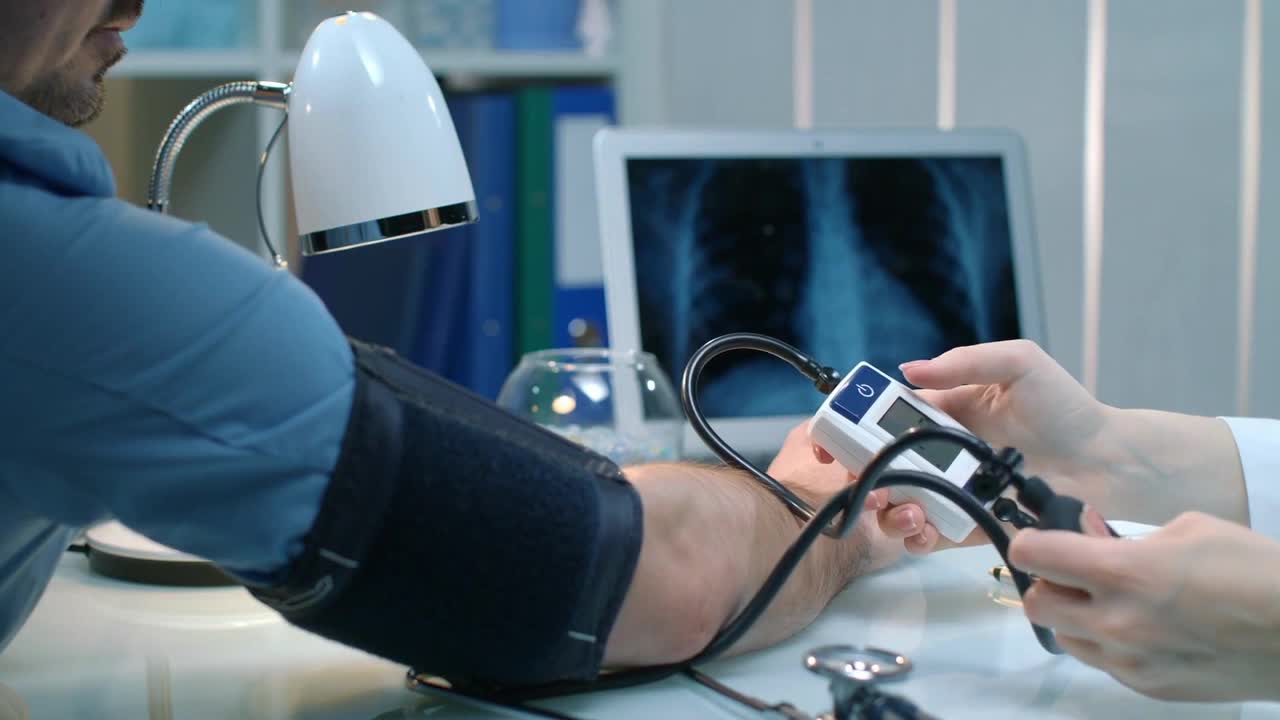


SALT LAKE CITY — High blood pressure is often called the silent killer because many people do not experience symptoms until the condition is advanced and has caused other health complications.
The Centers for Disease Control and Prevention reports about 120 million Americans, or 48 percent of the population, have high blood pressure. Dr. Michael Woodruff, medical director for Regence BlueCross BlueShield of Utah, shared how people can protect themselves.
A typical, healthy blood pressure reading is defined as 120 over 80.
Woodruff explained that blood pressure consists of two numbers measured in millimeters of mercury.
The top number is the systolic pressure, which is the pressure in blood vessels when the heart squeezes. The bottom number is the diastolic pressure, which is the pressure when the heart relaxes and fills. "This number represents the balance between how much blood and how hard it's being squeezed and how much resistance there is in your blood vessel system," Woodruff said.
High blood pressure pushes the walls of arteries, causing damage and microscopic inflammation. This can cause scarring, thickening, and narrowing, resulting in a process called atherosclerosis.
"This is where your blood vessels become narrowed, stiffened and thickened, and that limits the flow of blood to your vital organs," Woodruff said. "Understanding that process really explains why having uncontrolled high blood pressure can cause all kinds of damage to your heart, your brain, your liver, your kidney, all your organs, and can cause things like heart attack, stroke and kidney damage."
Low blood pressure can also be an issue in the short term. Symptoms include weakness, confusion, dizziness, nausea, fainting, and blurred vision. Woodruff noted that dehydration is a common cause, but standing for too long or nutritional deficiencies can also lead to low blood pressure.
To lead a healthier life and avoid these health complications, Woodruff recommends focusing on diet and exercise. "A diet that's nutritionally balanced and has a lot of nutrient dense foods, not a lot of processed foods, high end kind of nuts and seeds and fruits and vegetables and whole grains," Woodruff said.
He suggested the Mediterranean or DASH diets, which focus on eating real food that is not overly processed, low in saturated fat content, and low in sugar. A diet lower in sodium and higher in potassium also helps regulate blood pressure.
For exercise, Woodruff recommends about 150 minutes of aerobic exercise a week, along with at least two sessions of resistance or strength training.
If you are at risk of high blood pressure, Woodruff suggests getting a home monitor, but advises asking your doctor which model best fits your needs.
If your blood pressure is constantly elevated, talk to your care team about medication and lifestyle changes to get it under control. Finding it early can lead to fewer illnesses and prolong your life.
This story was reported on-air by a journalist and has been converted to this platform with the assistance of AI. Our editorial team verifies all reporting on all platforms for fairness and accuracy.